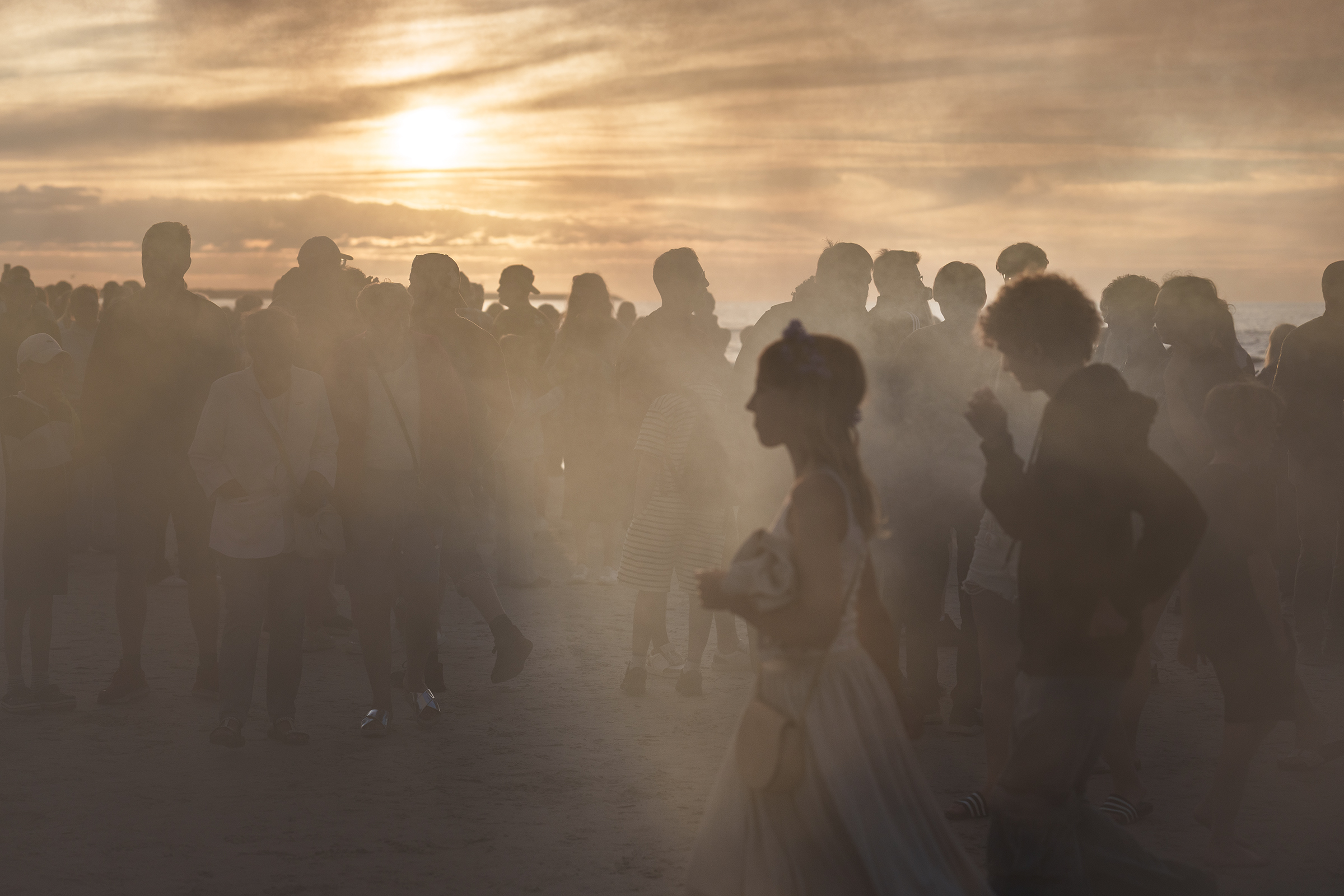
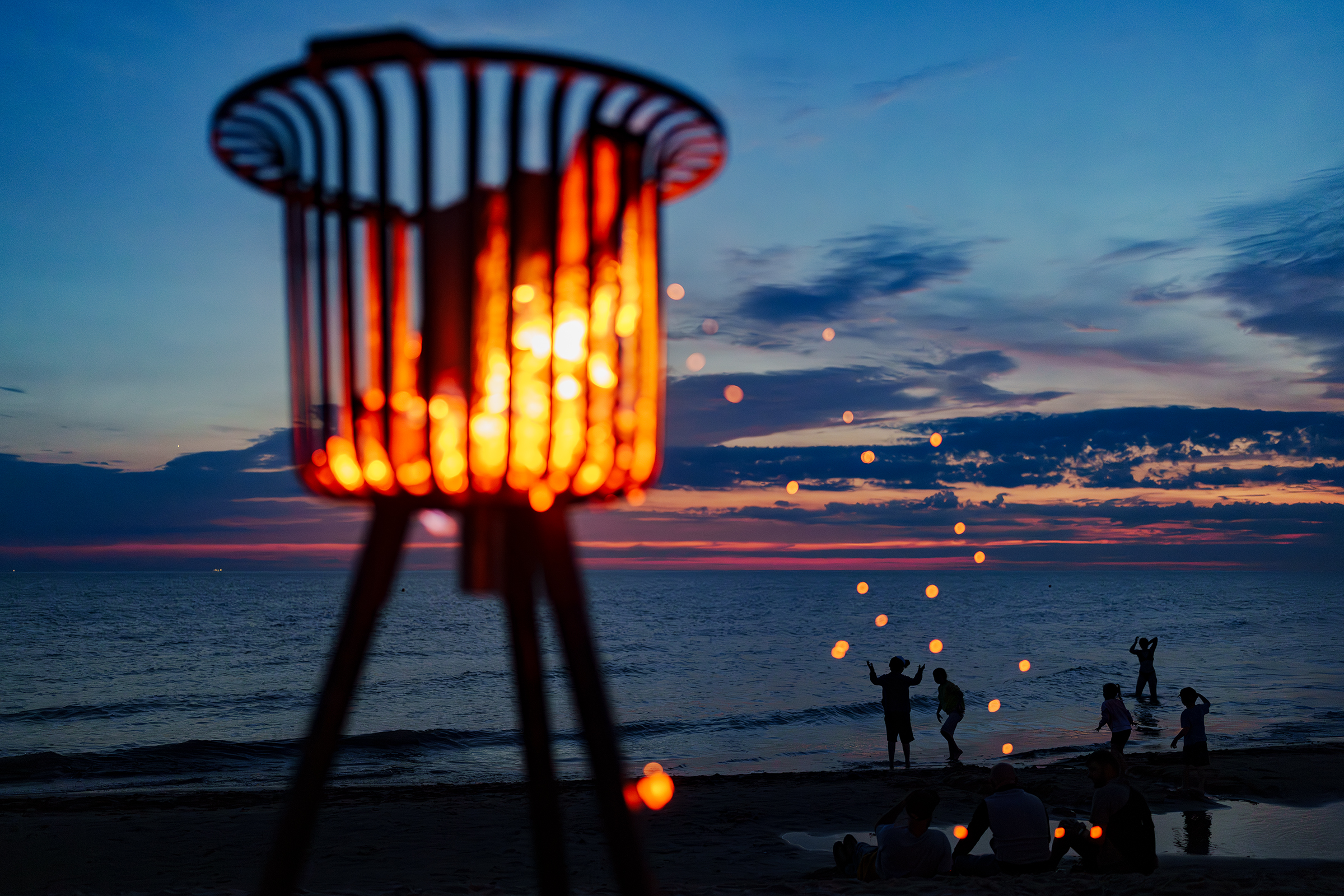
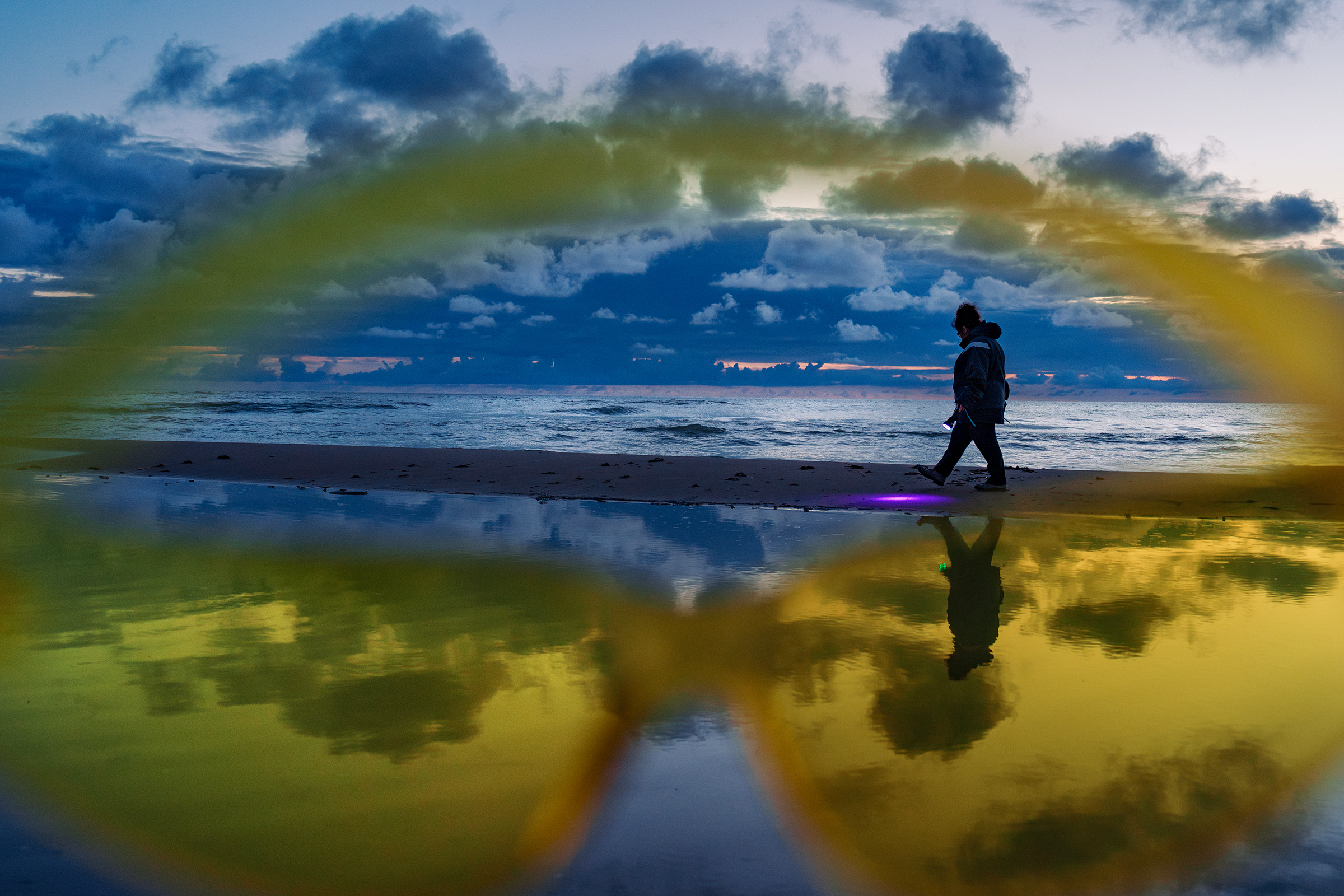
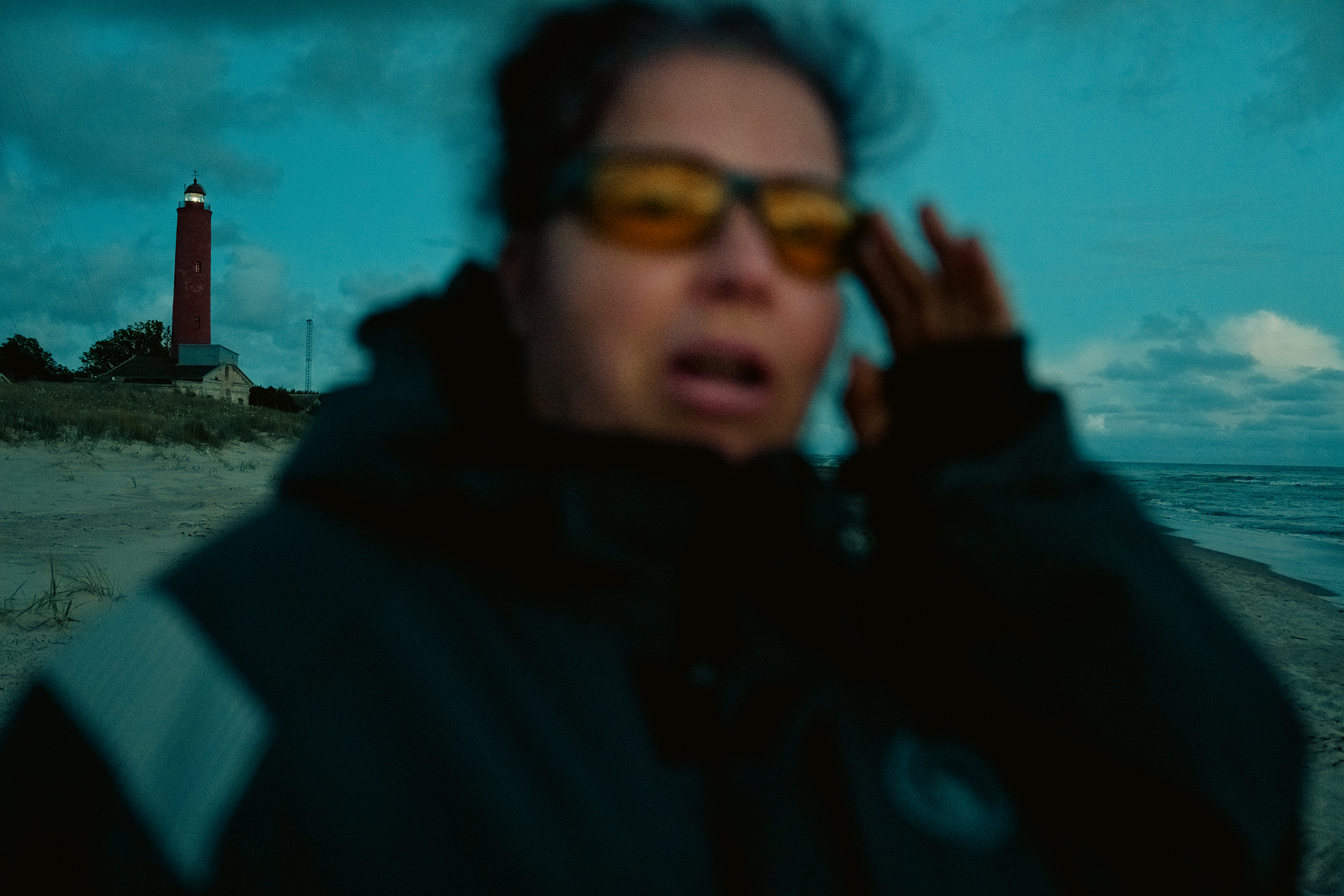
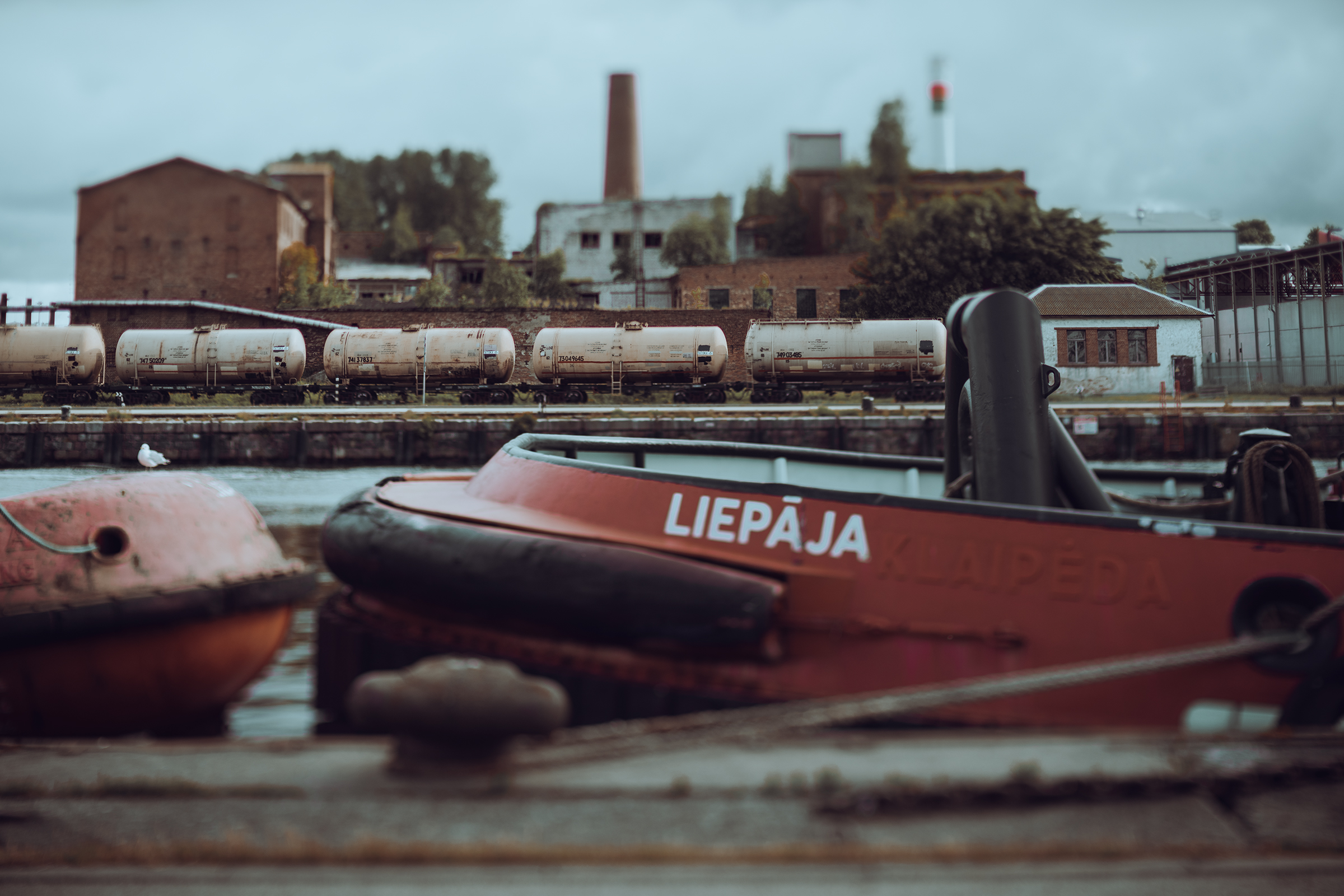
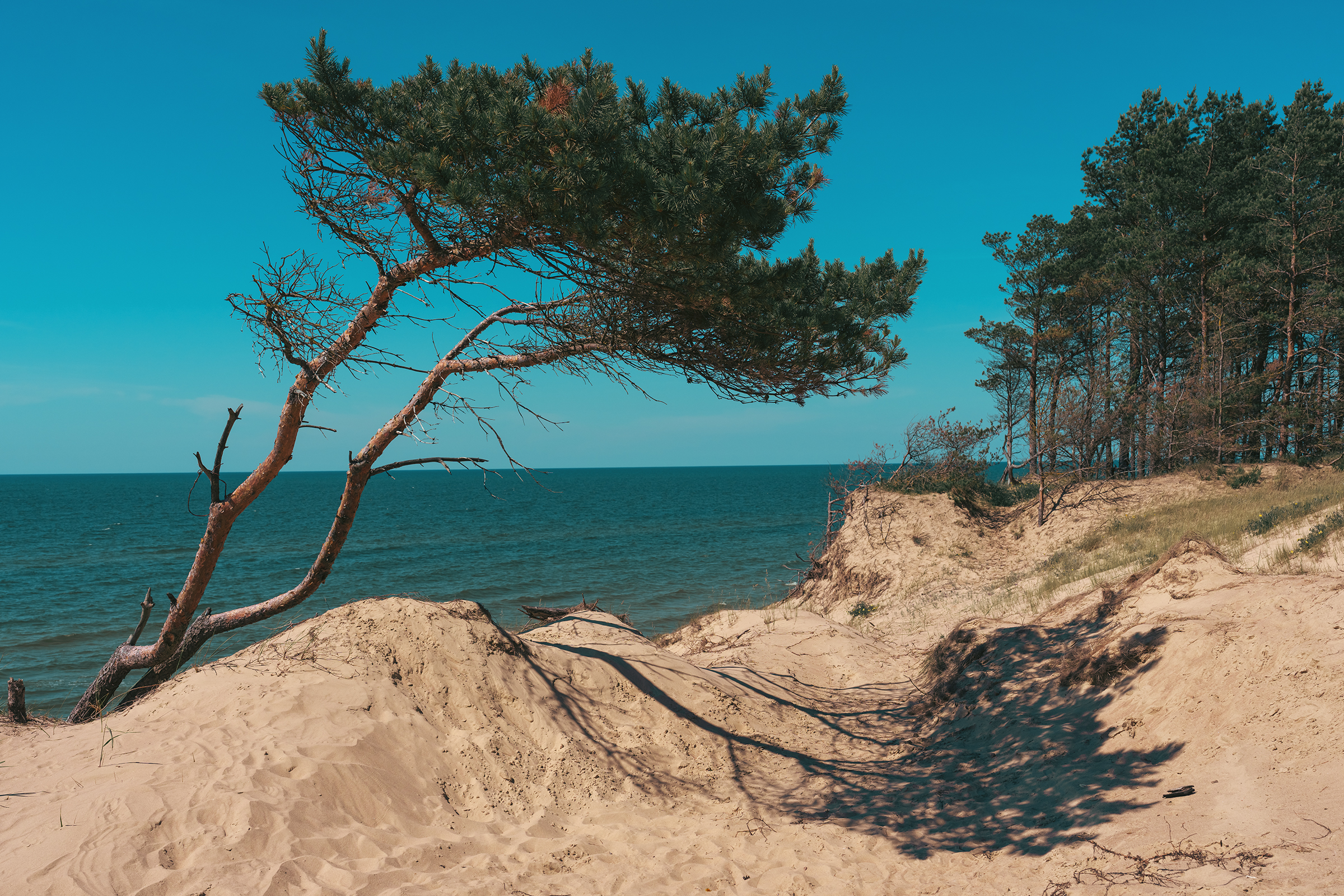
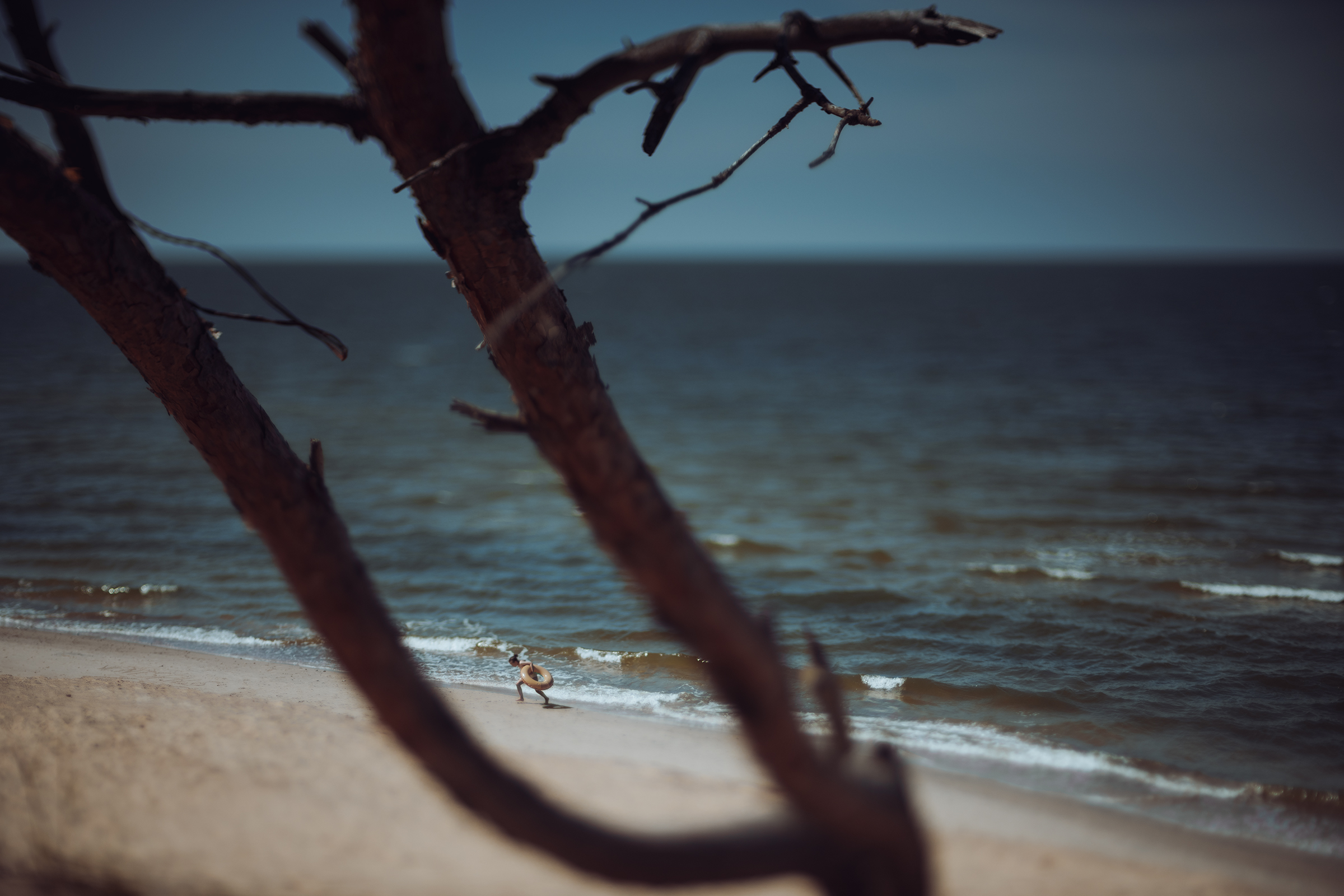
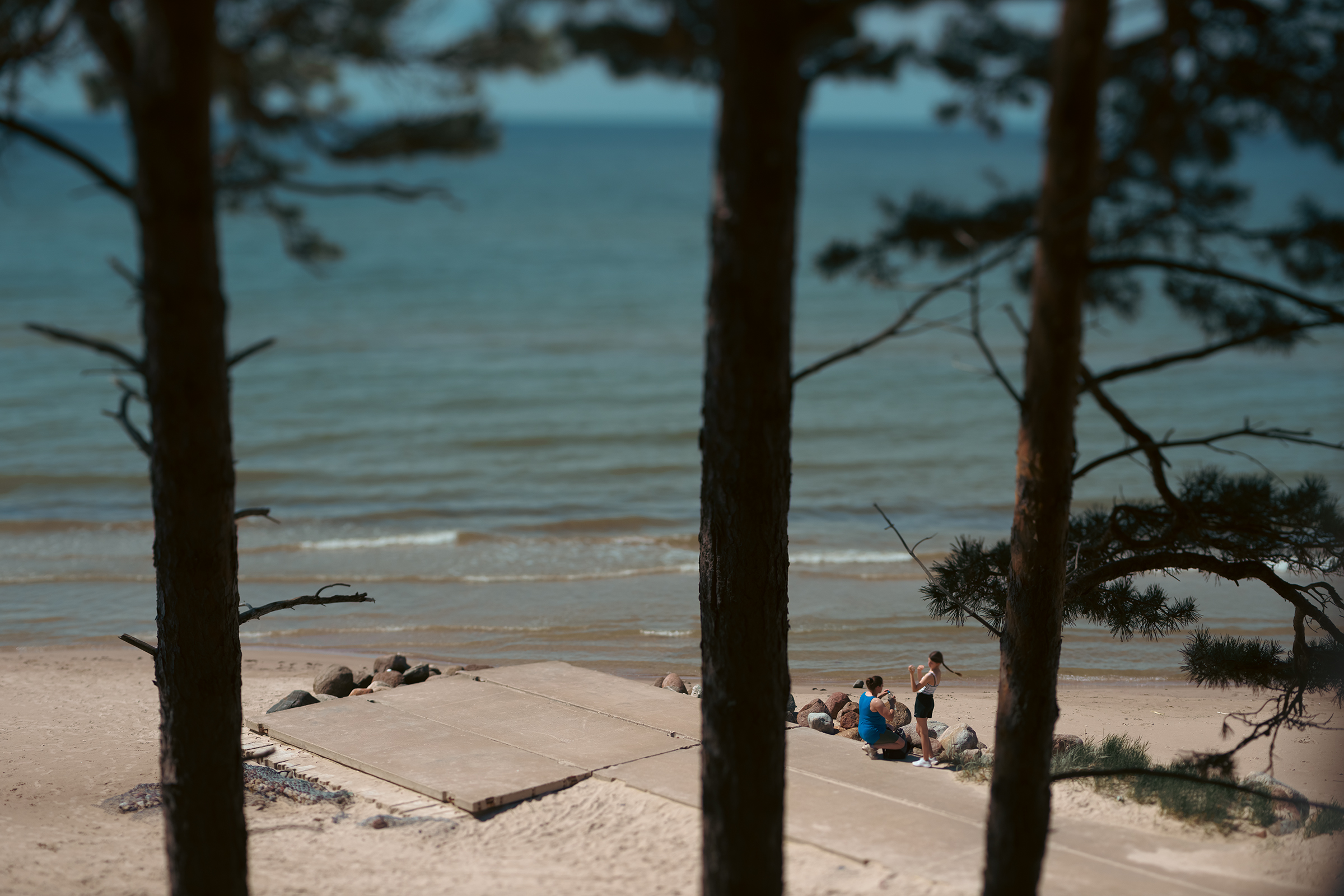
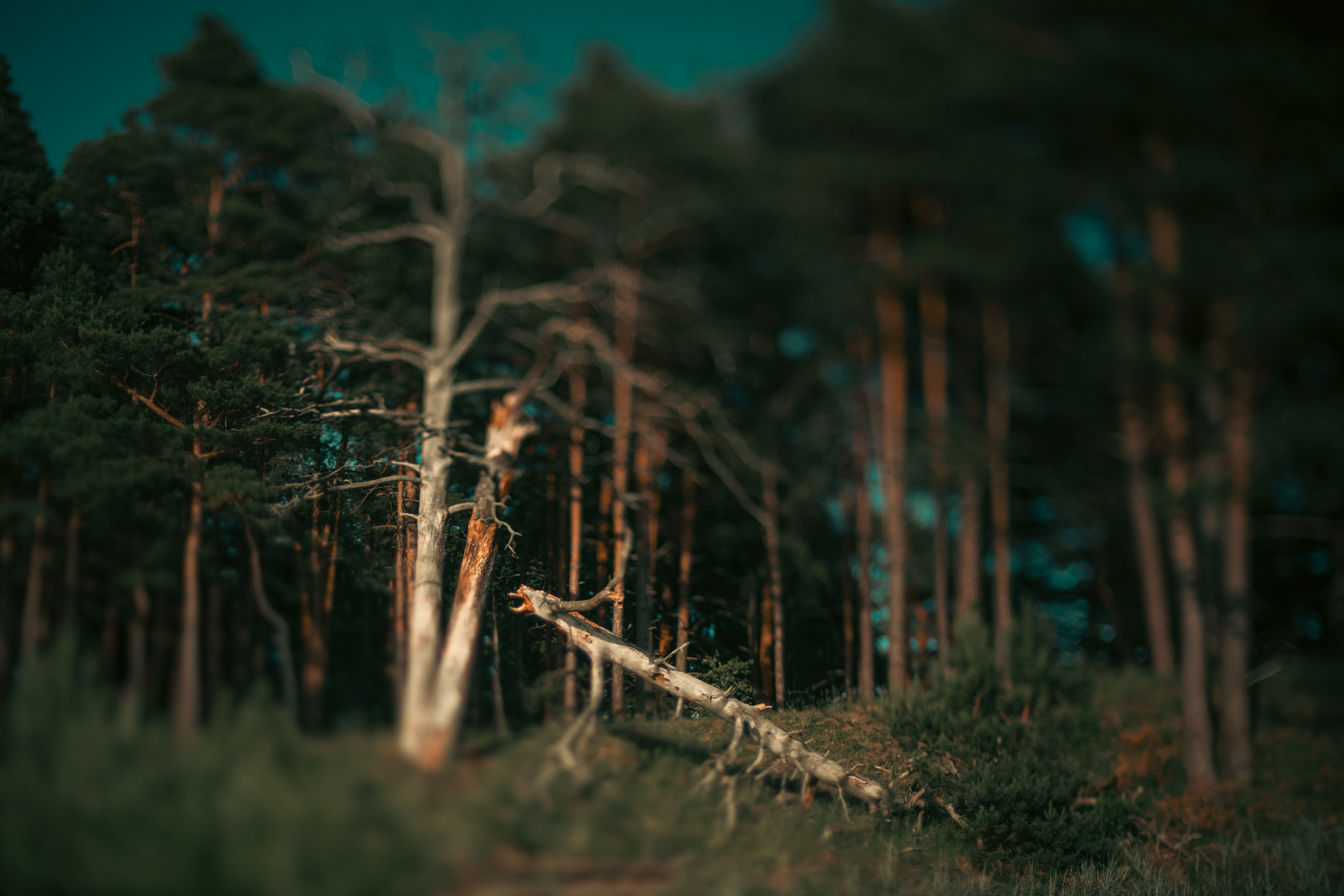
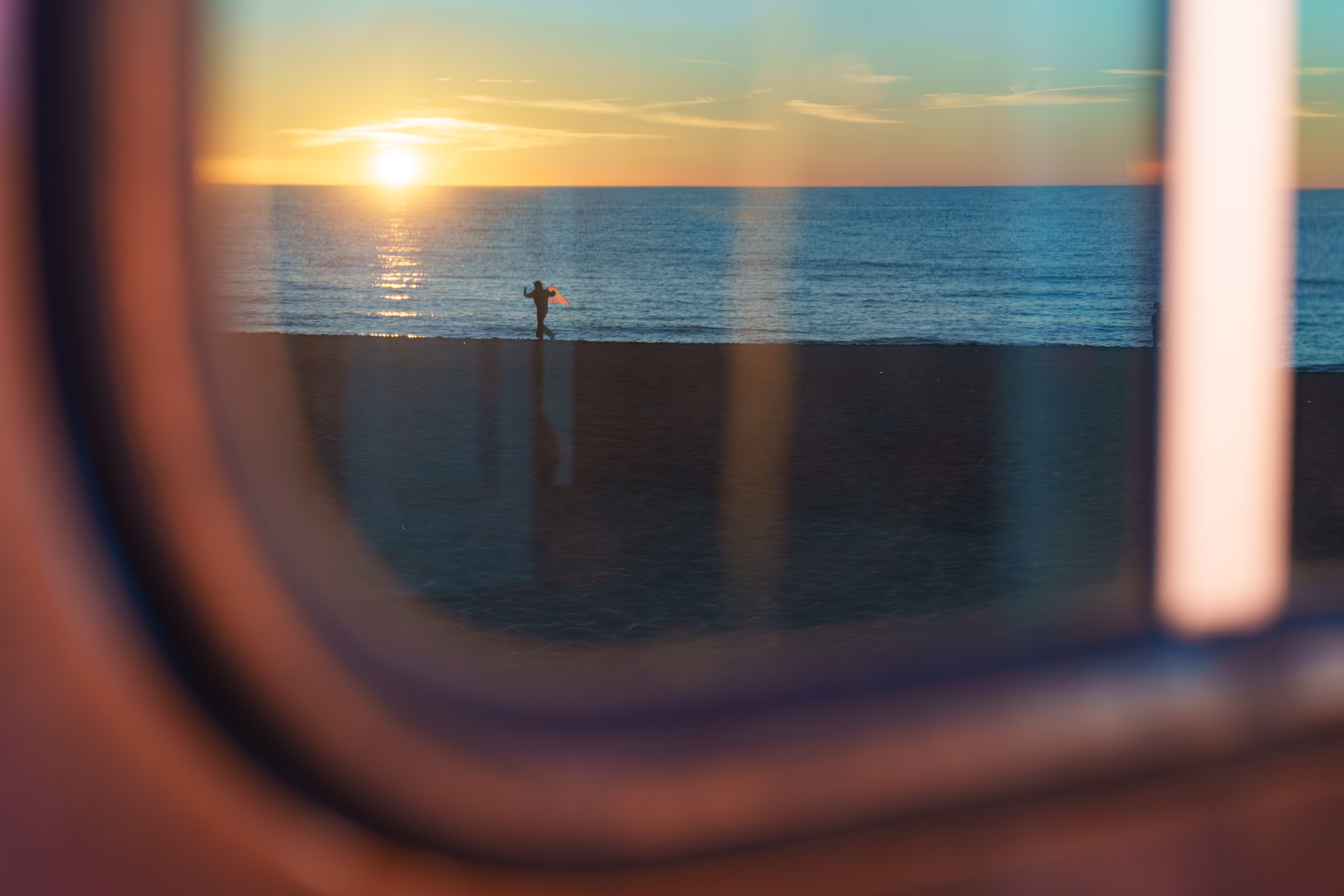
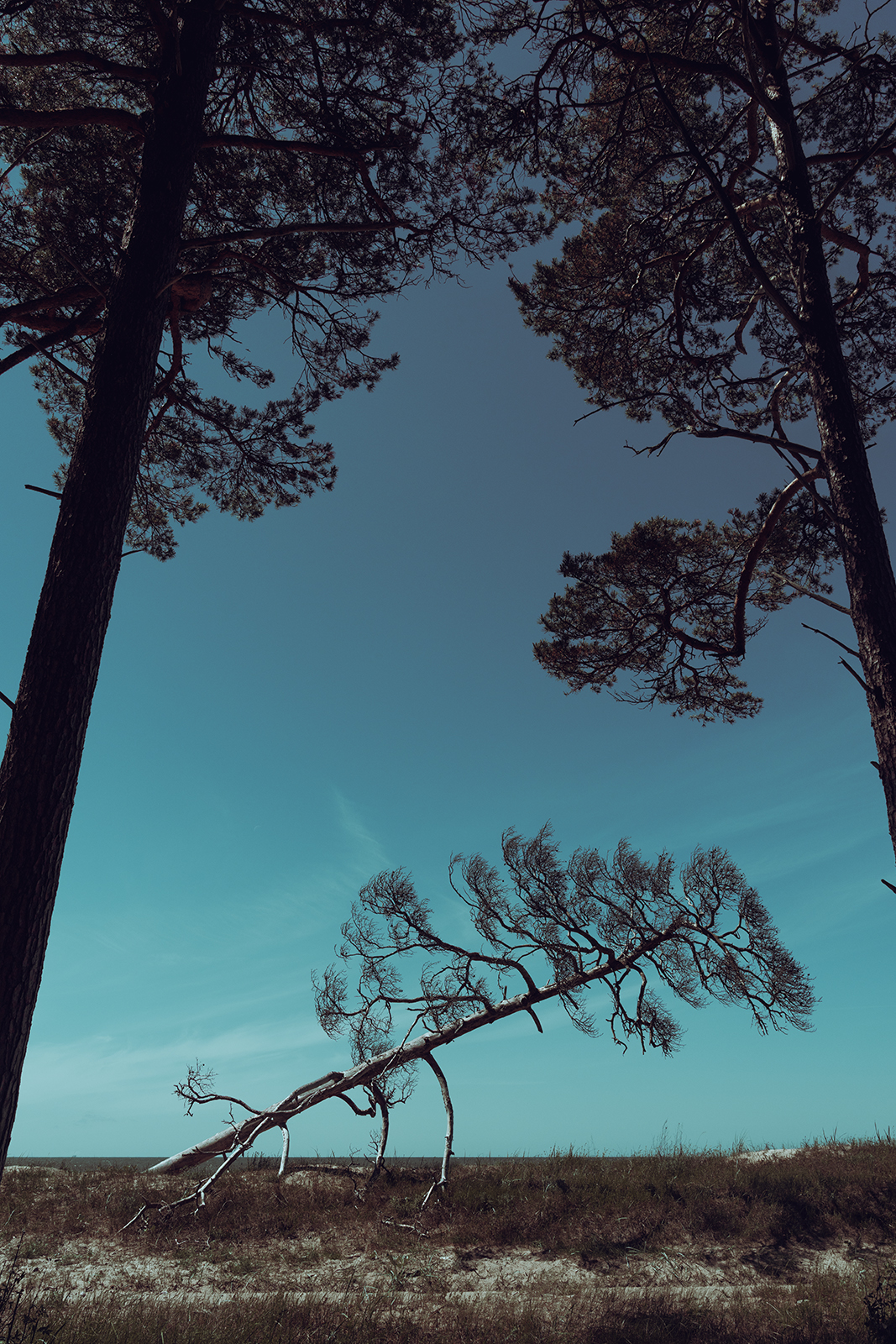
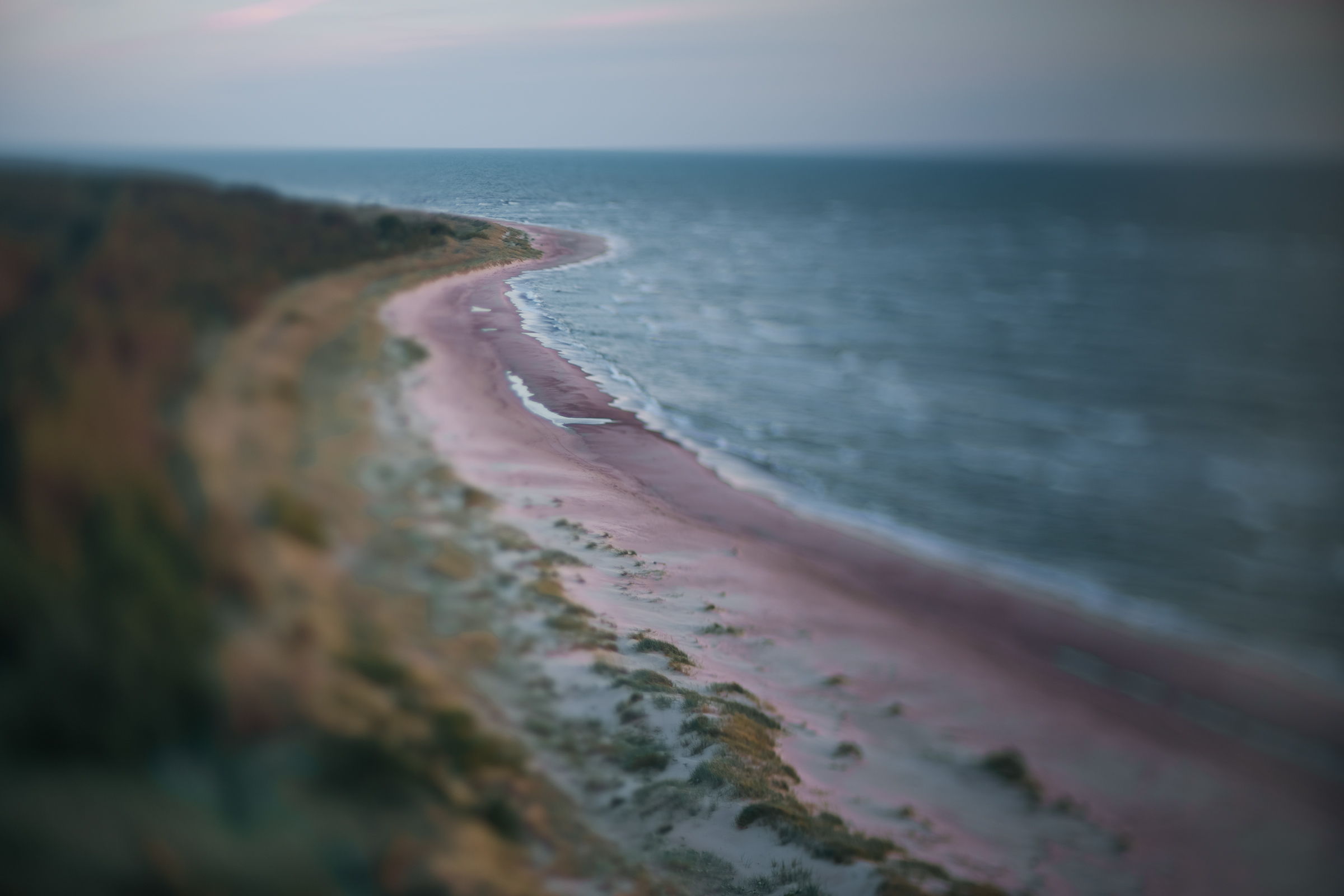
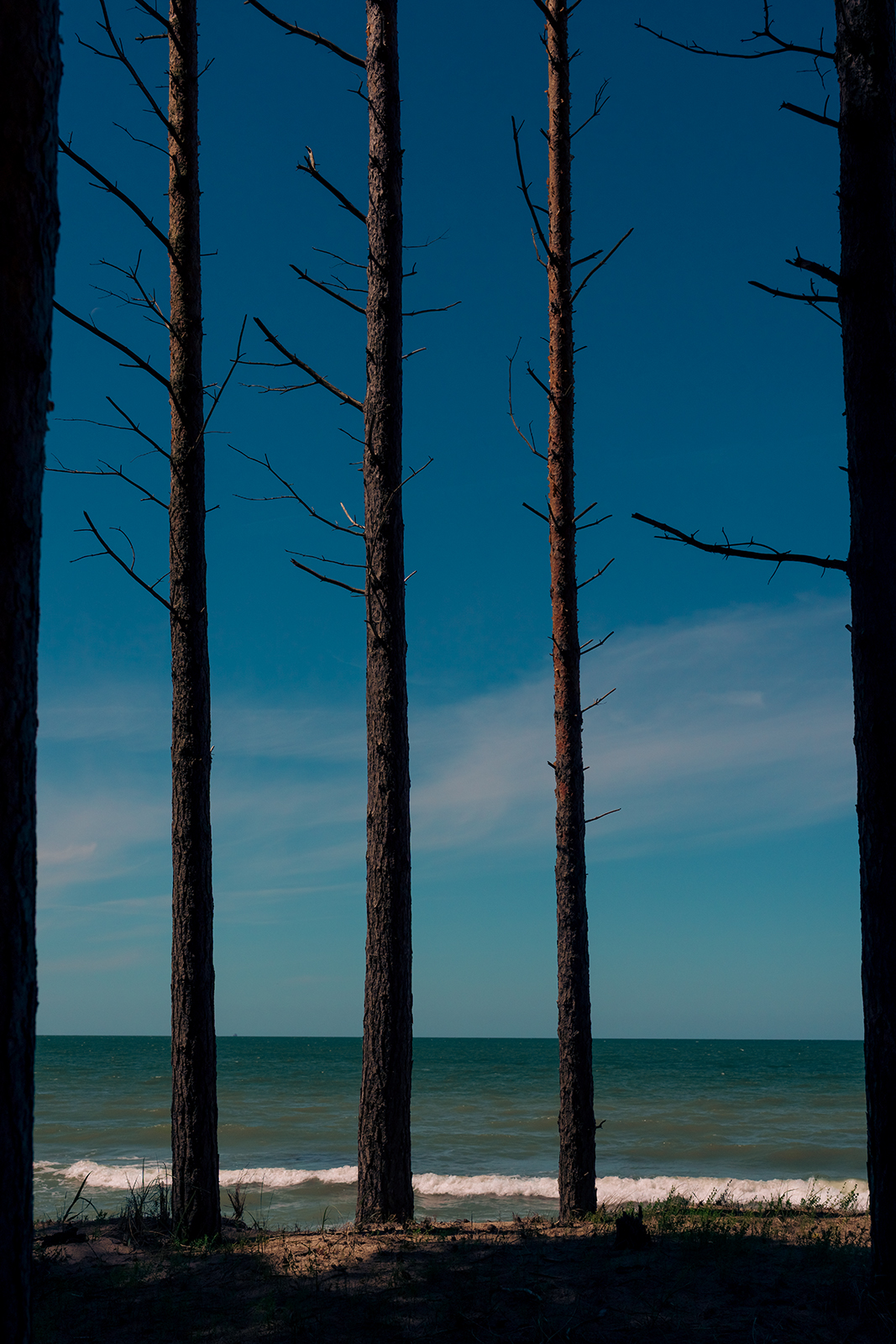
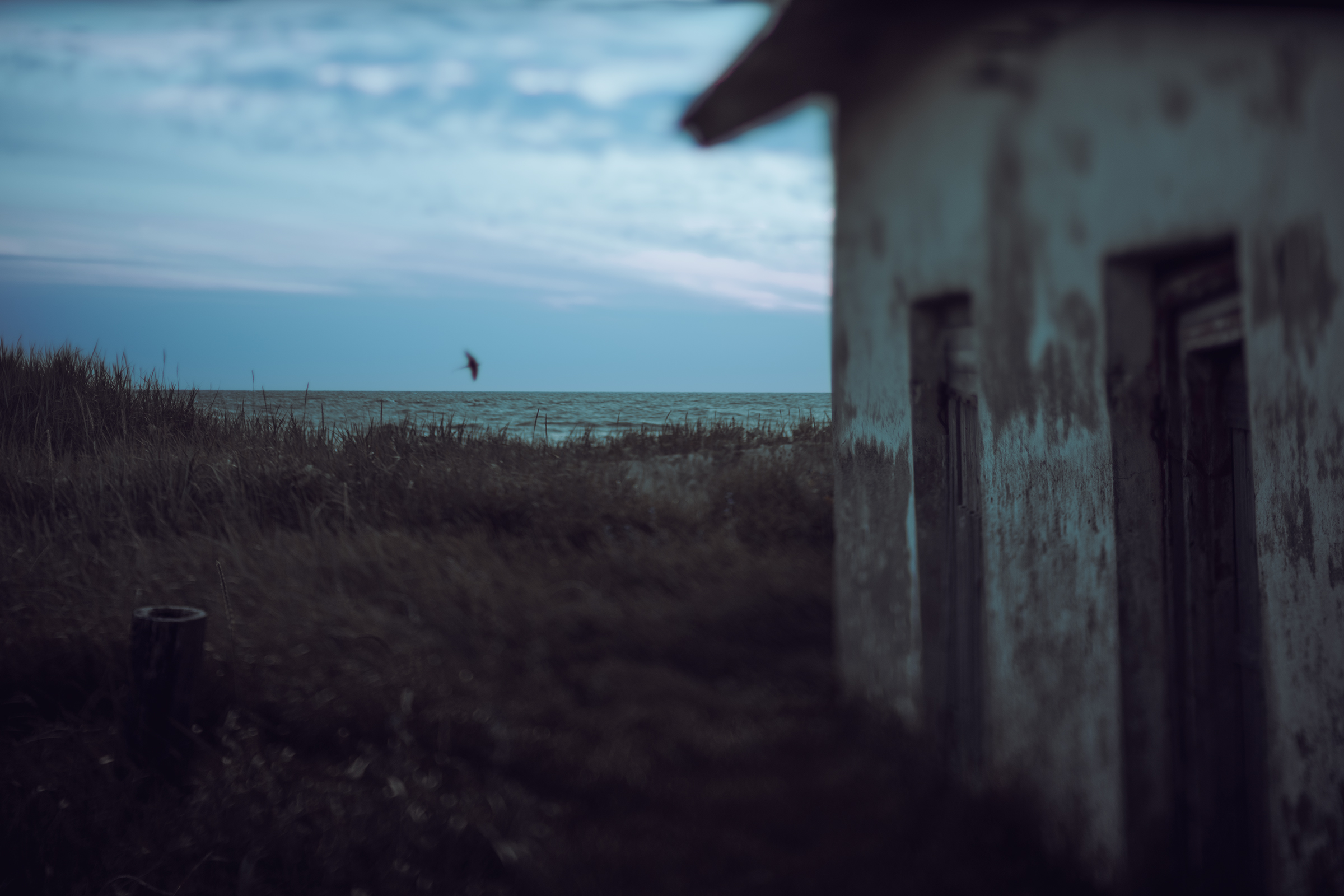
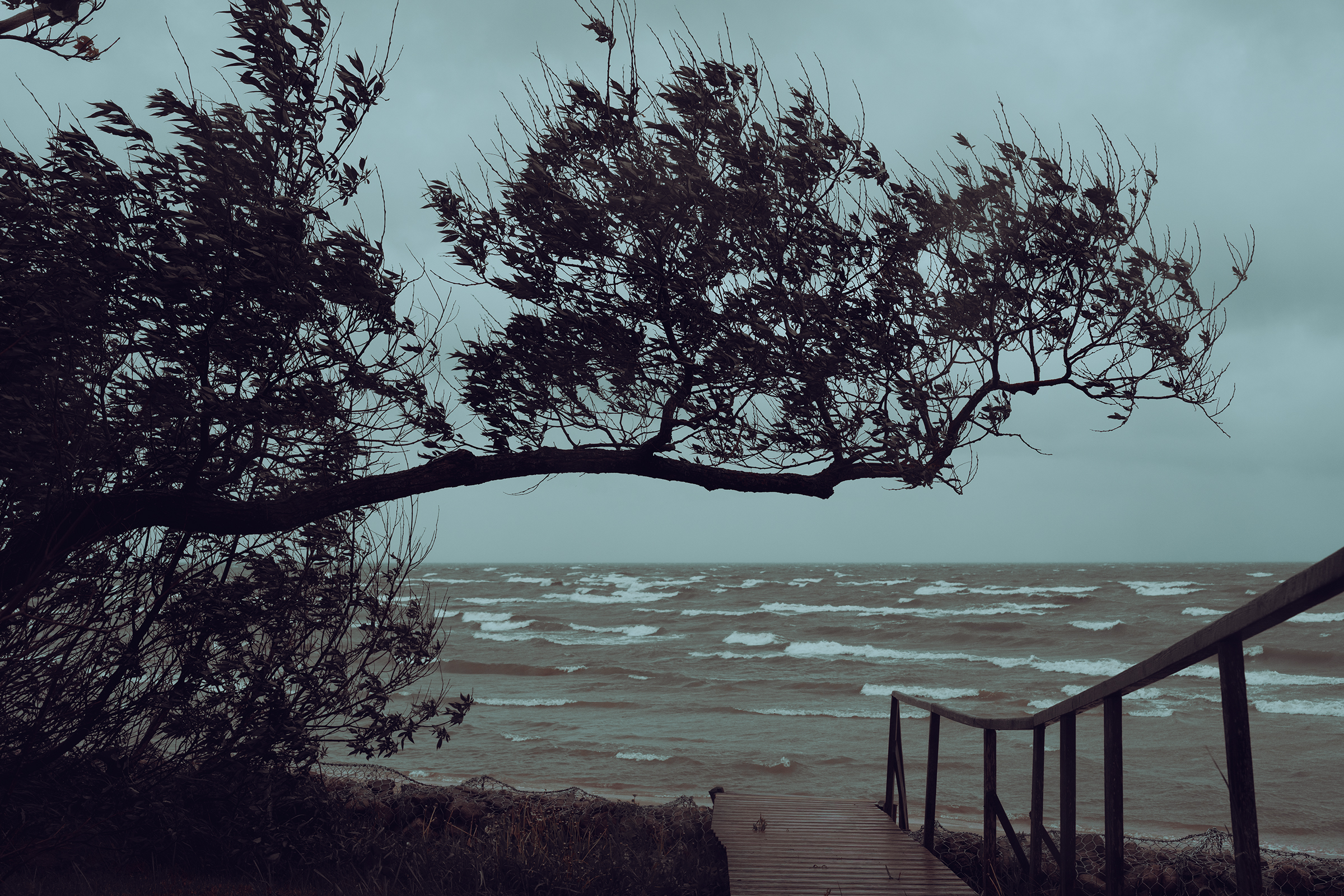
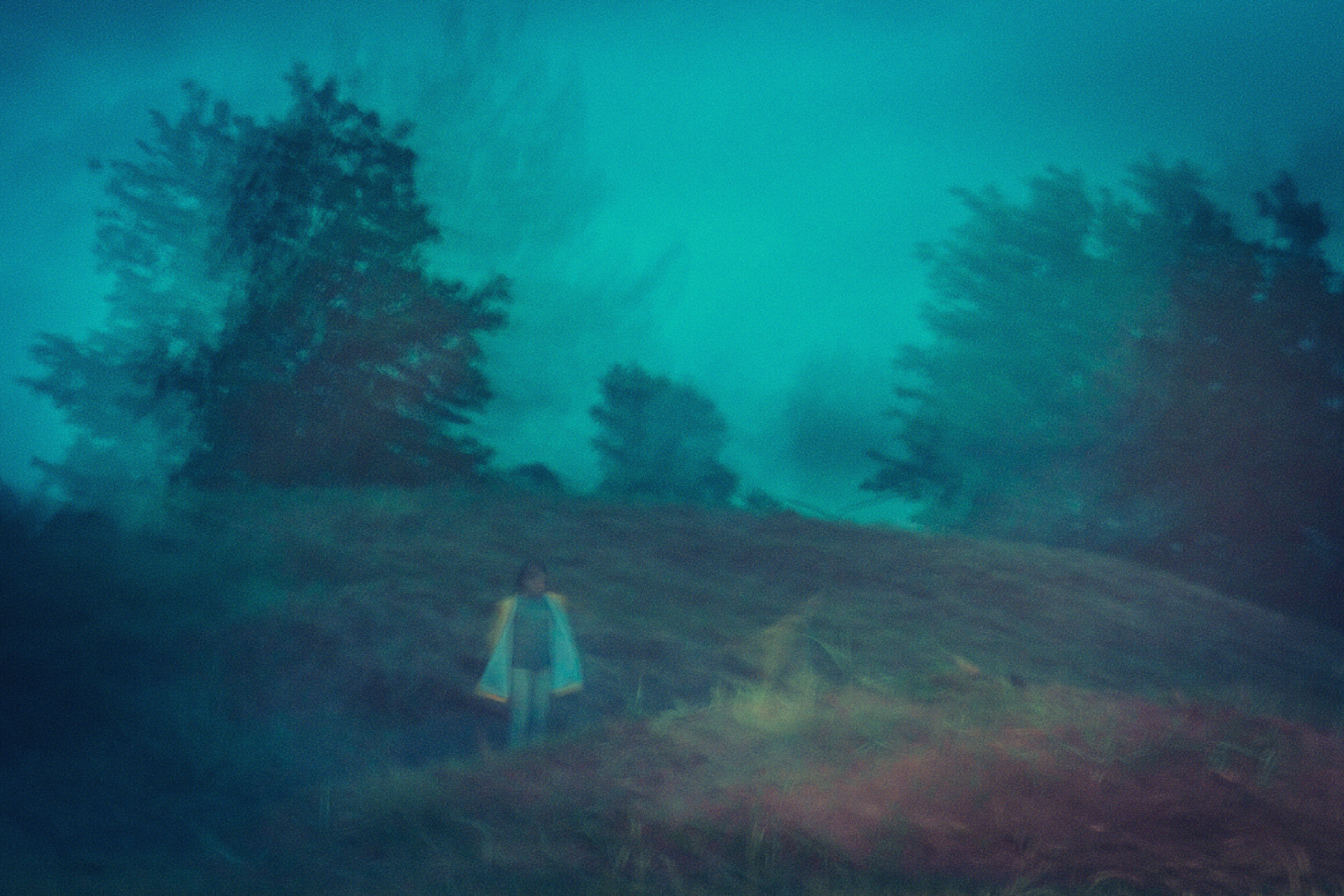
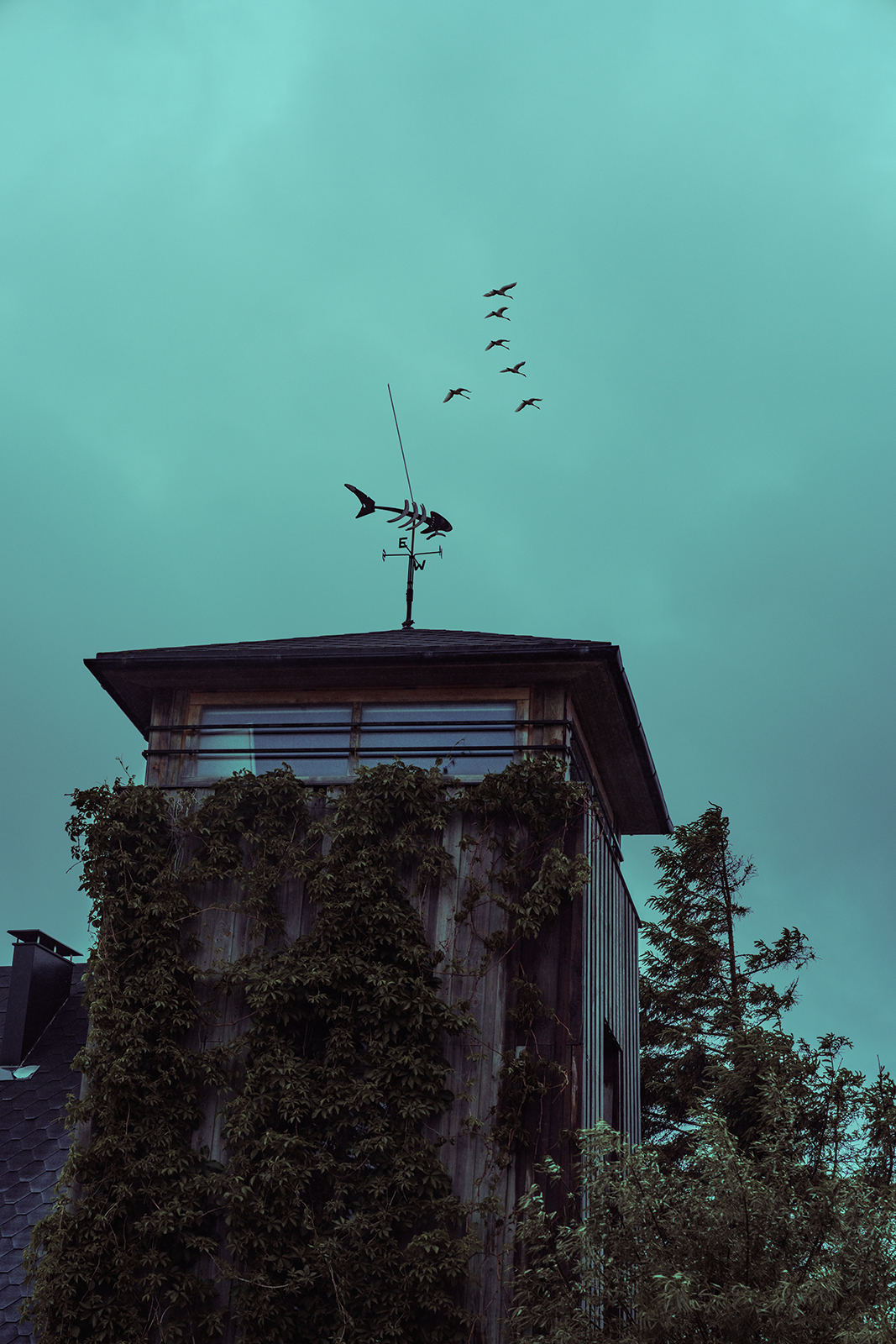
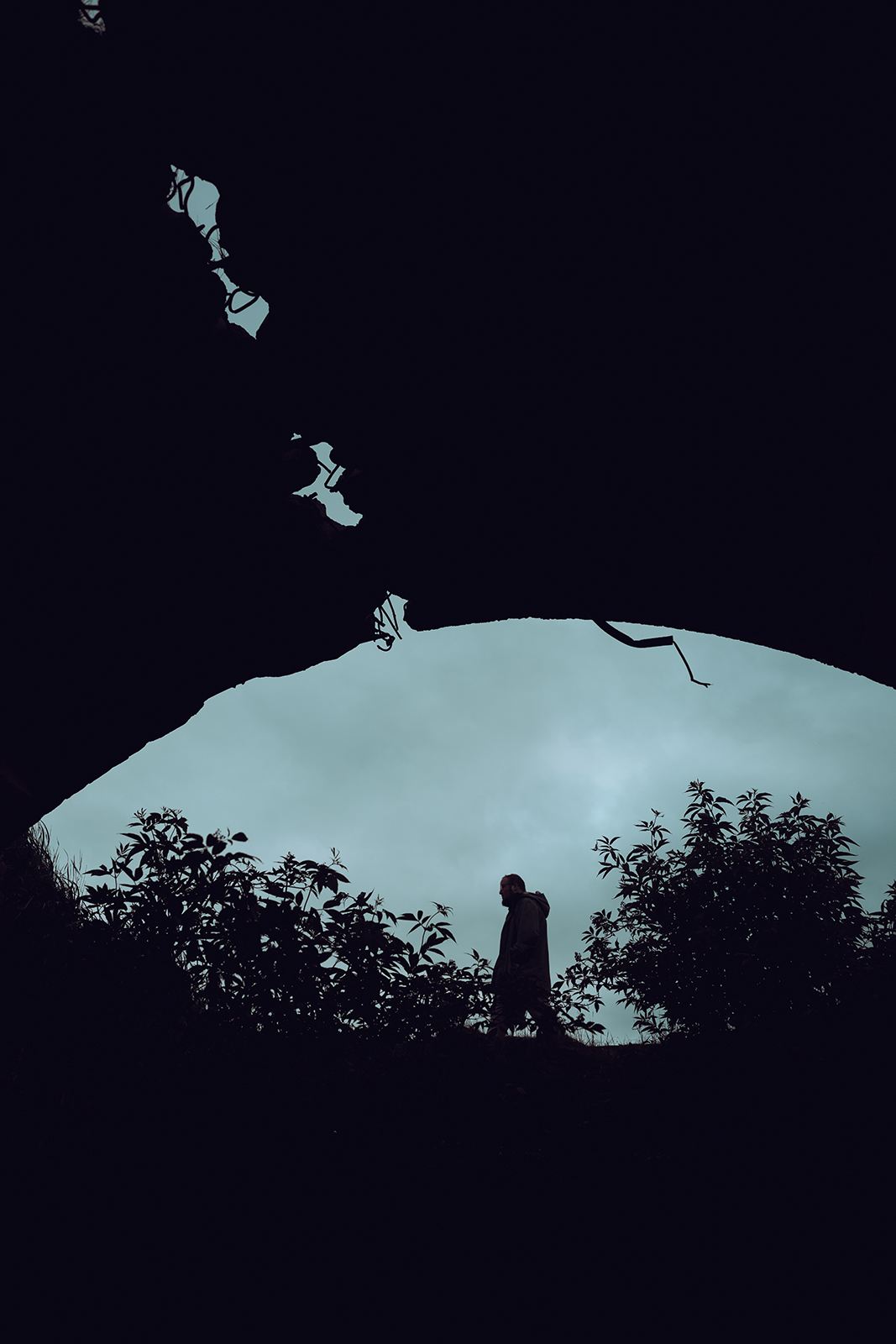
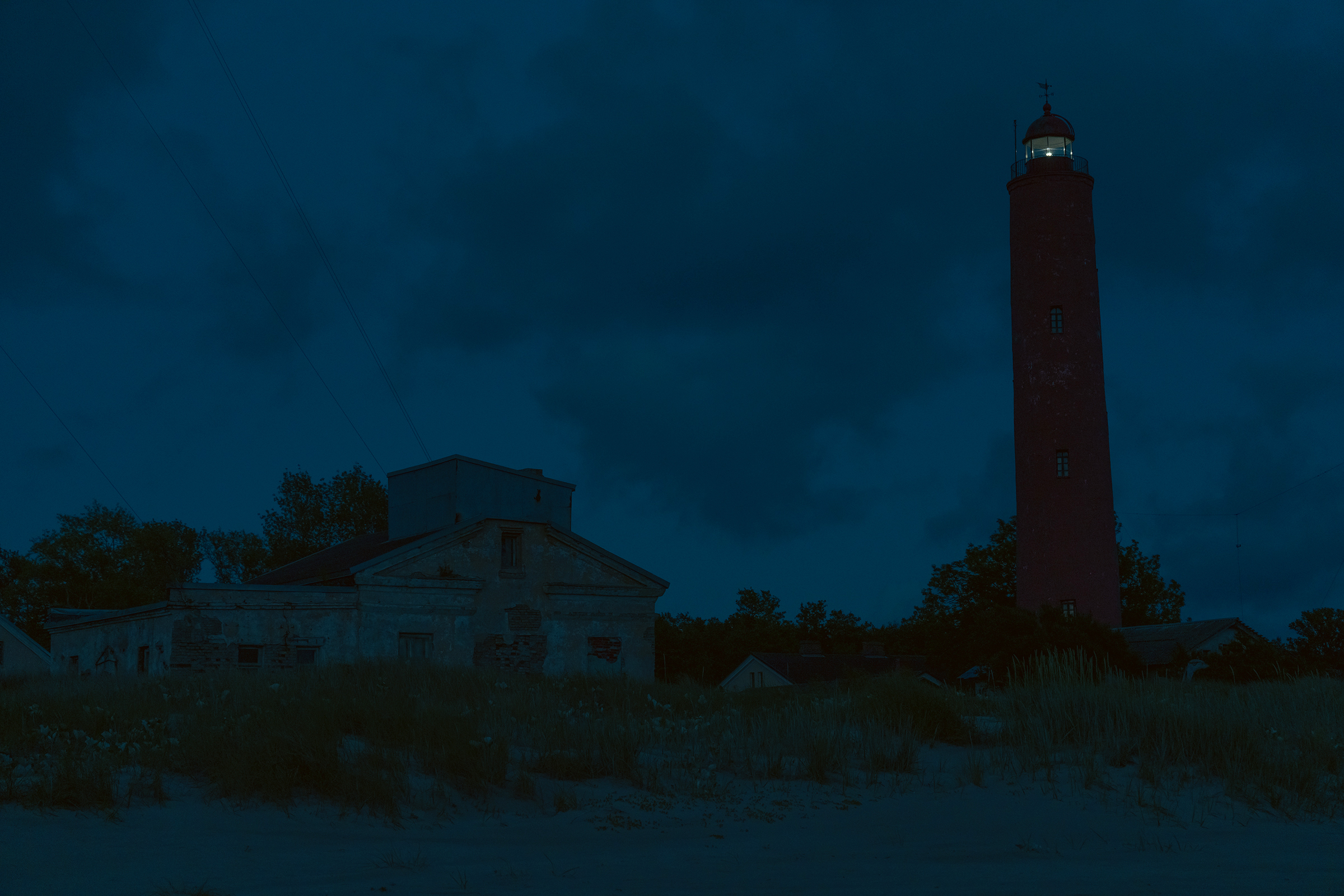
Almost every year as a child, I spent several weeks of summer in Latvia – a country whose Baltic Sea coast still smells, to me, of pine trees, seaweed, and salt. But it is not only that scent that shapes my memory. Above all, it is the light: the distinctive light of the setting sun and the light in the midst of a storm.
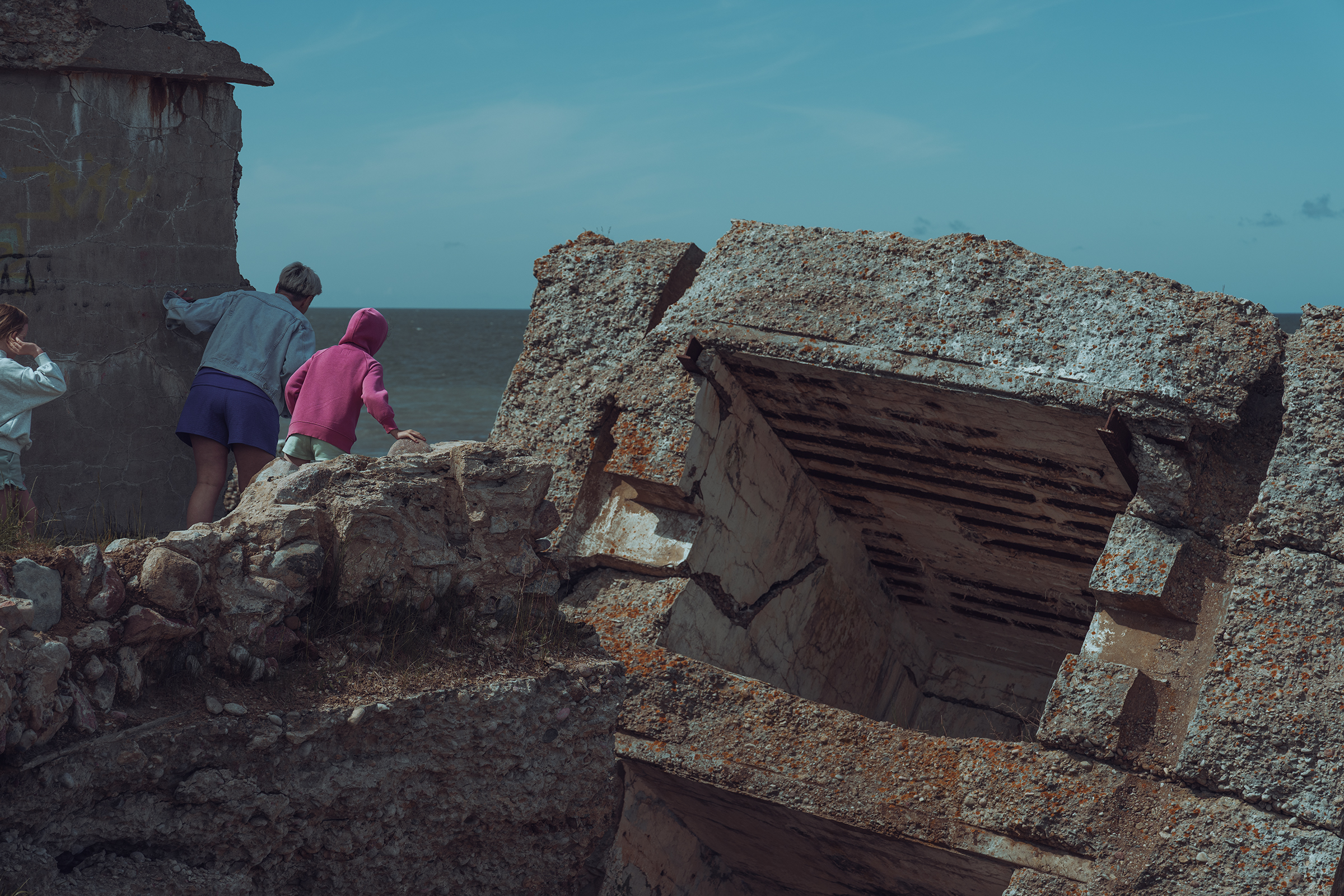
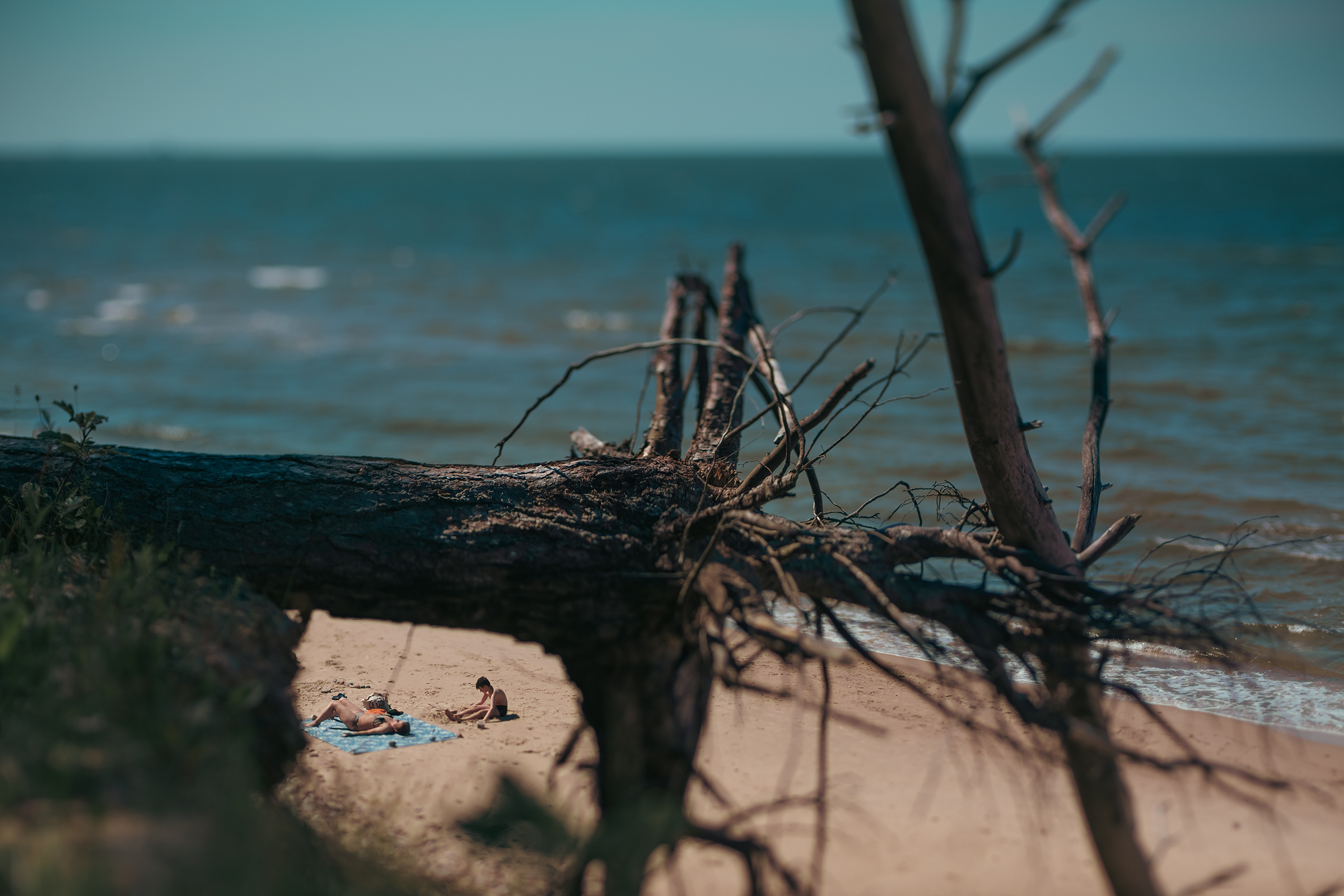
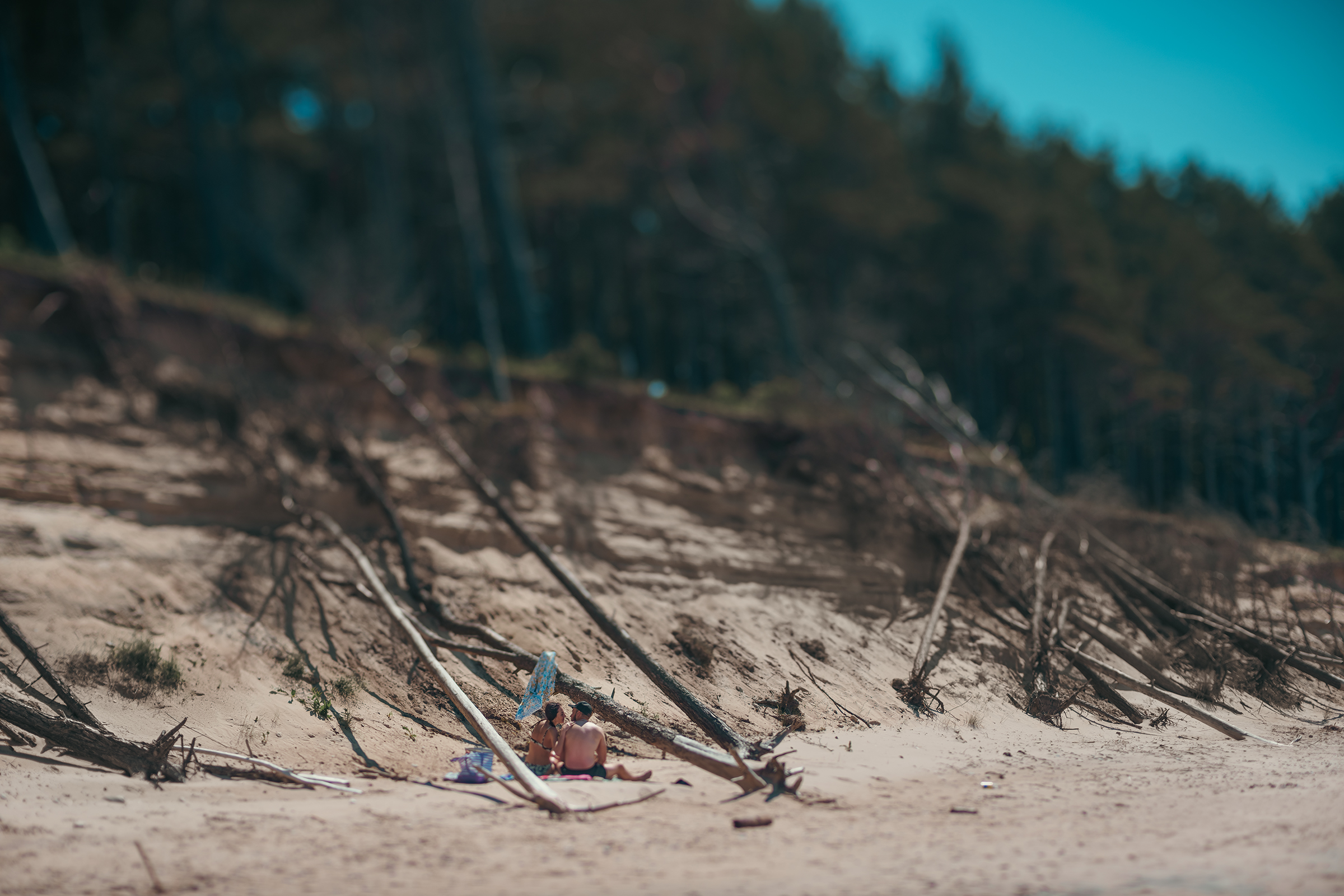
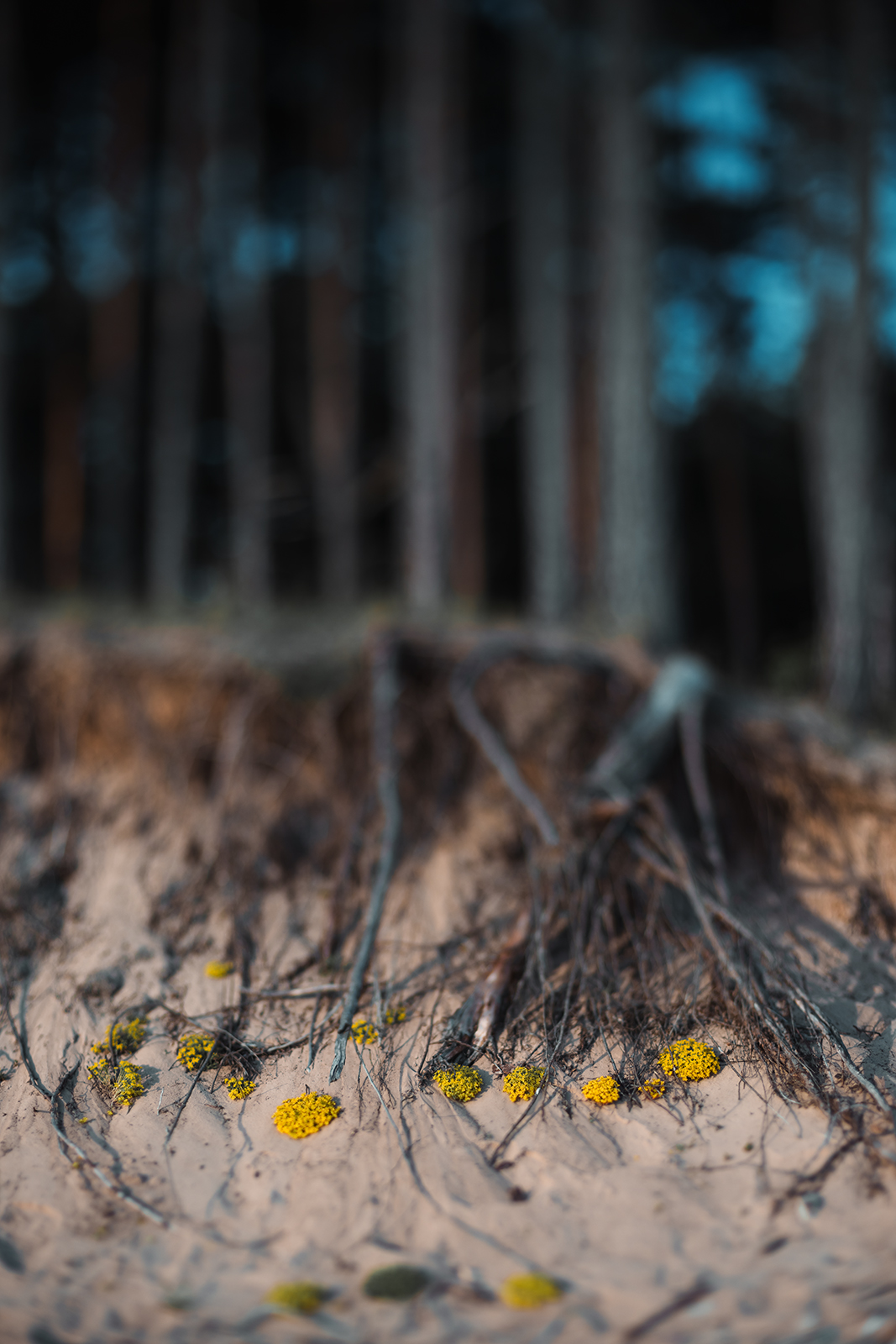
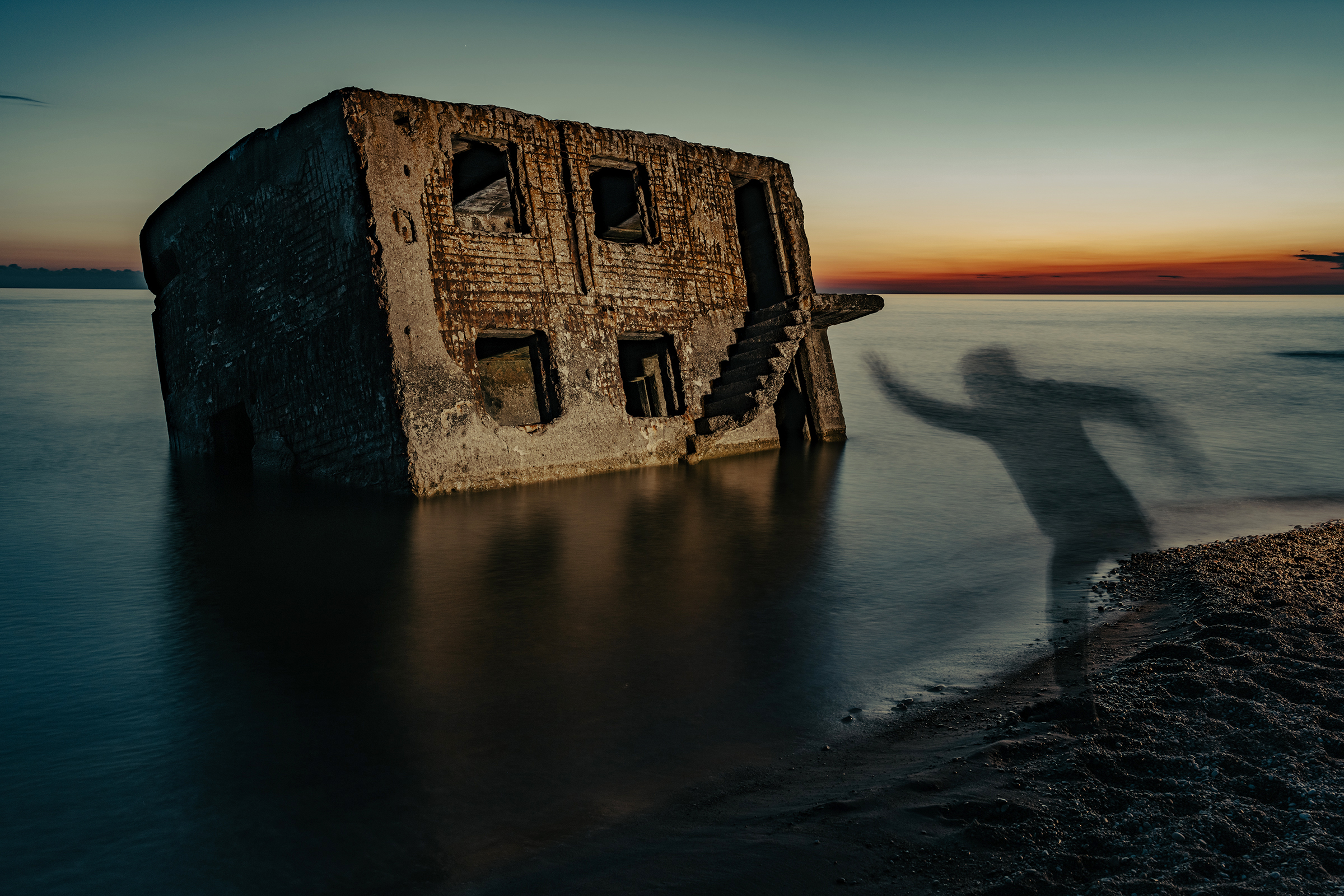
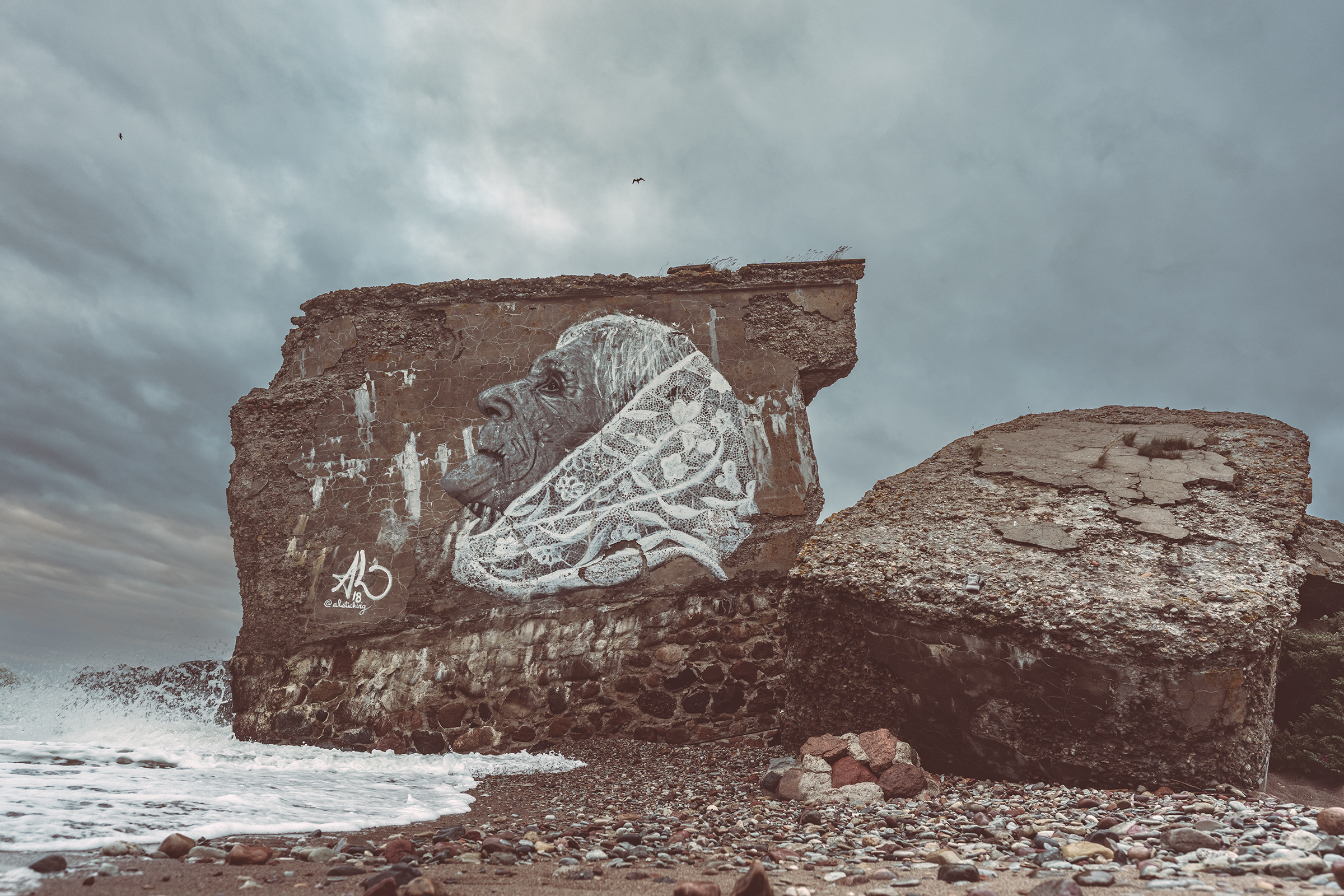
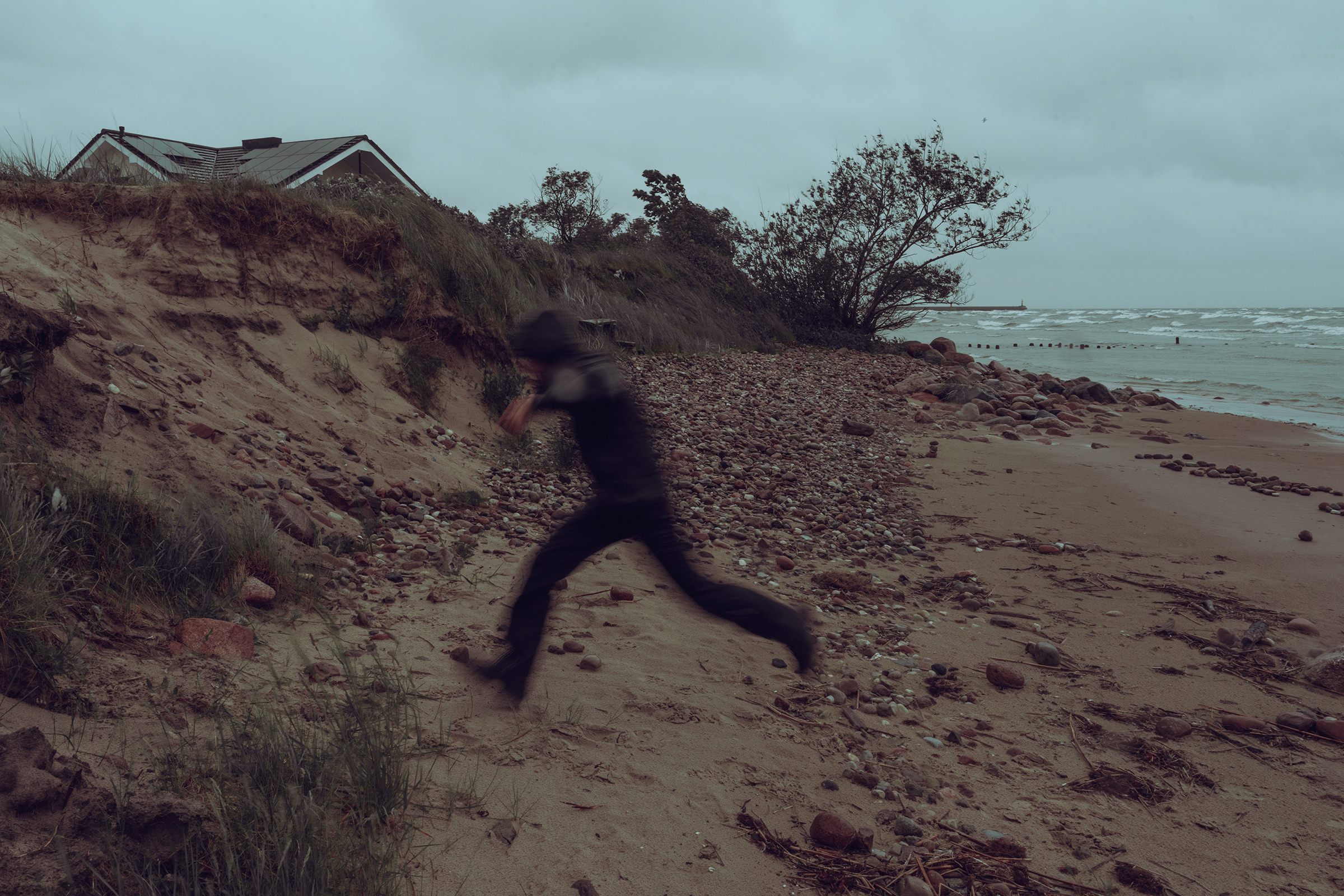
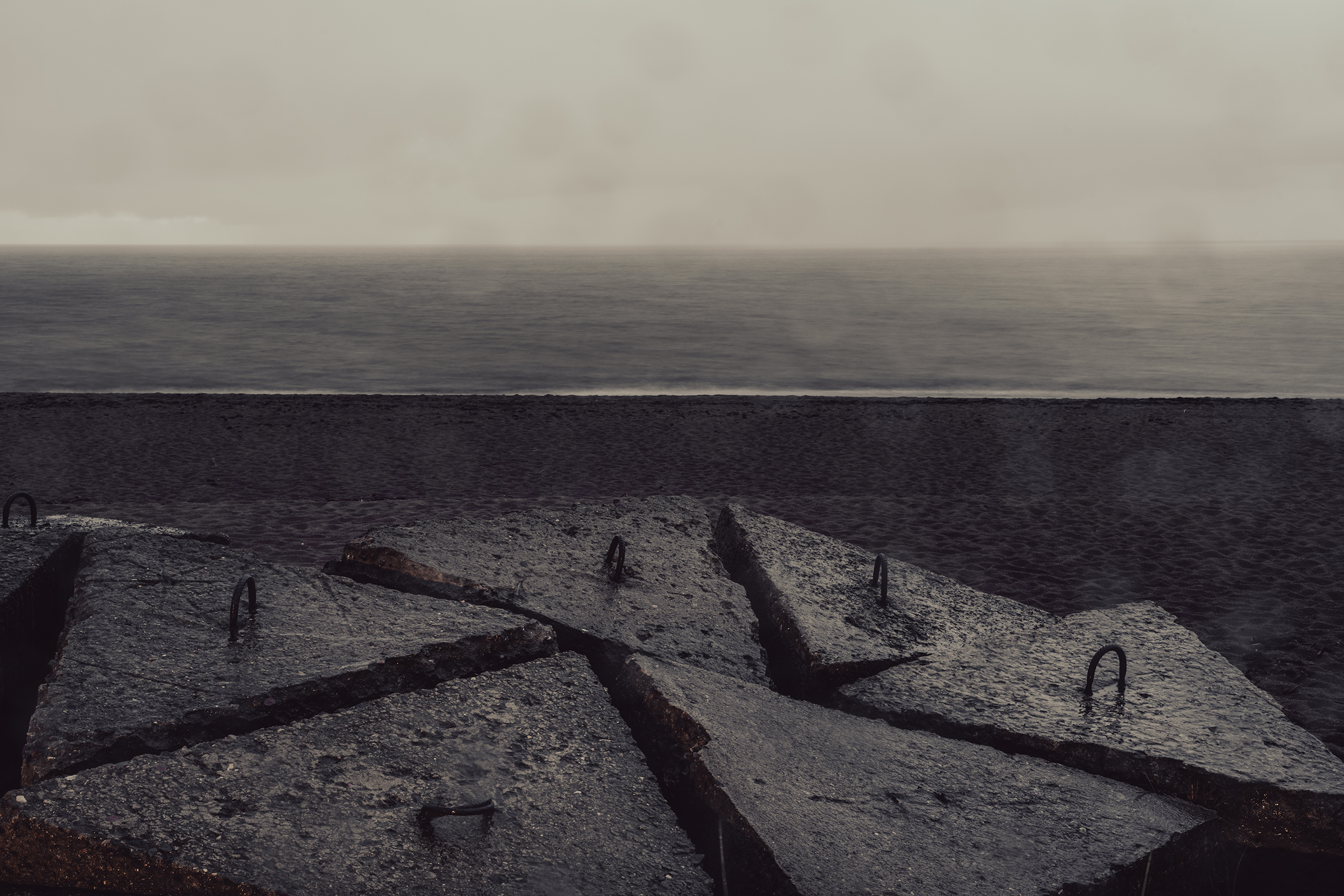
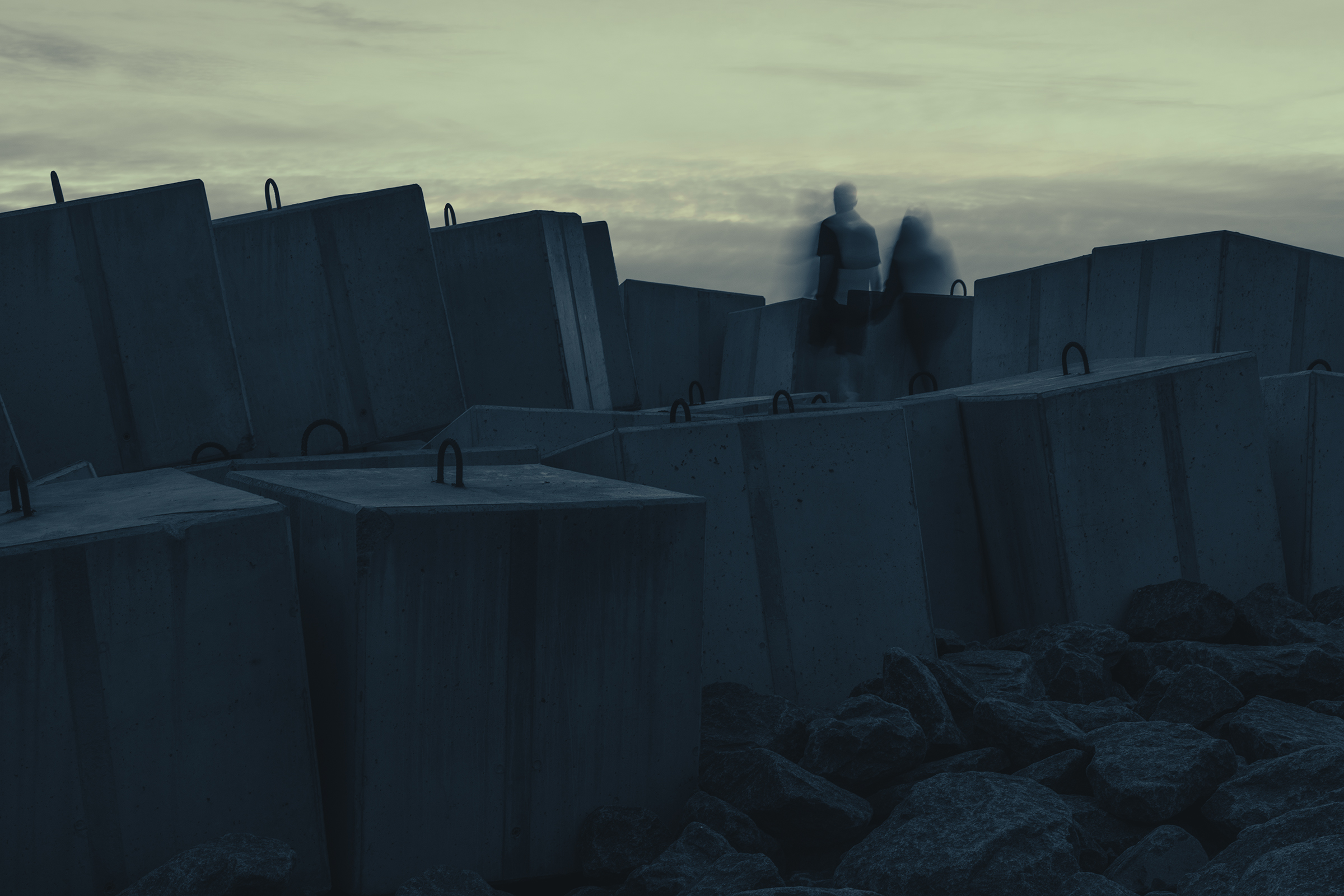
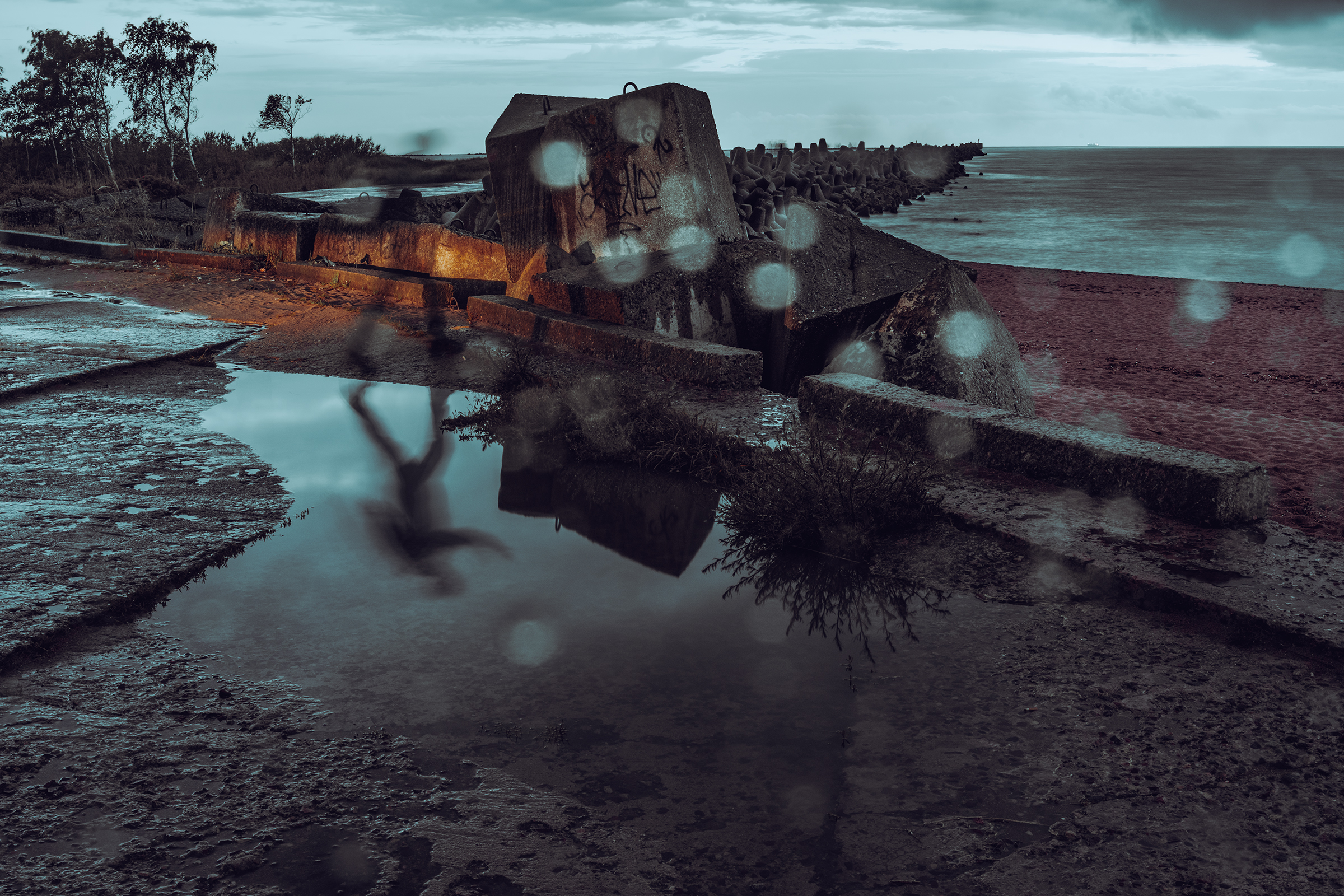
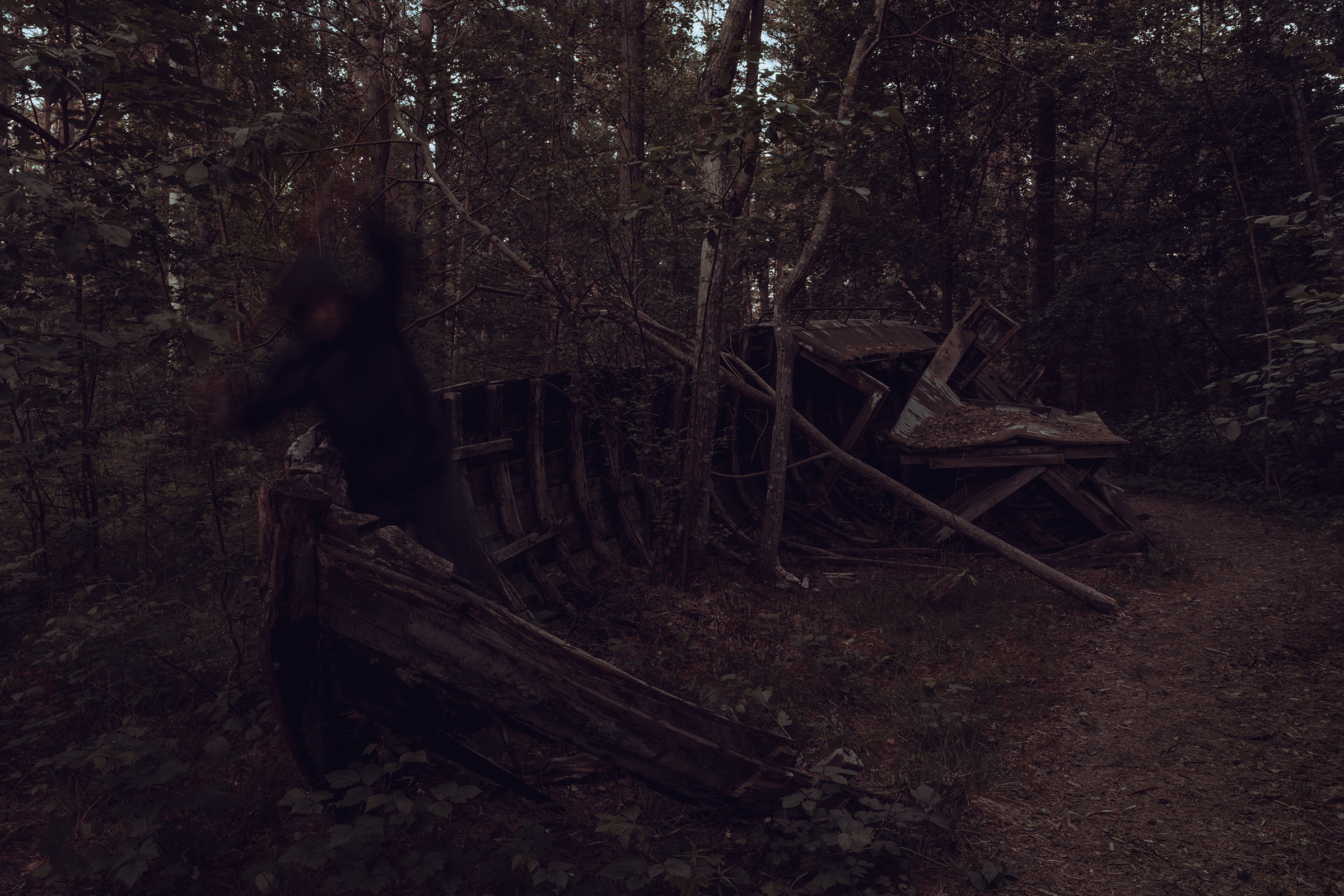
I had not returned to Latvia since childhood. When I learned that Courland’s coast loses around 15 hectares of land to erosion each year, I wanted to see it for myself. I decided to photograph along those parts of the coast where erosion is most visible. I wanted to see the land of my dreams once more – or rather, what it had become.
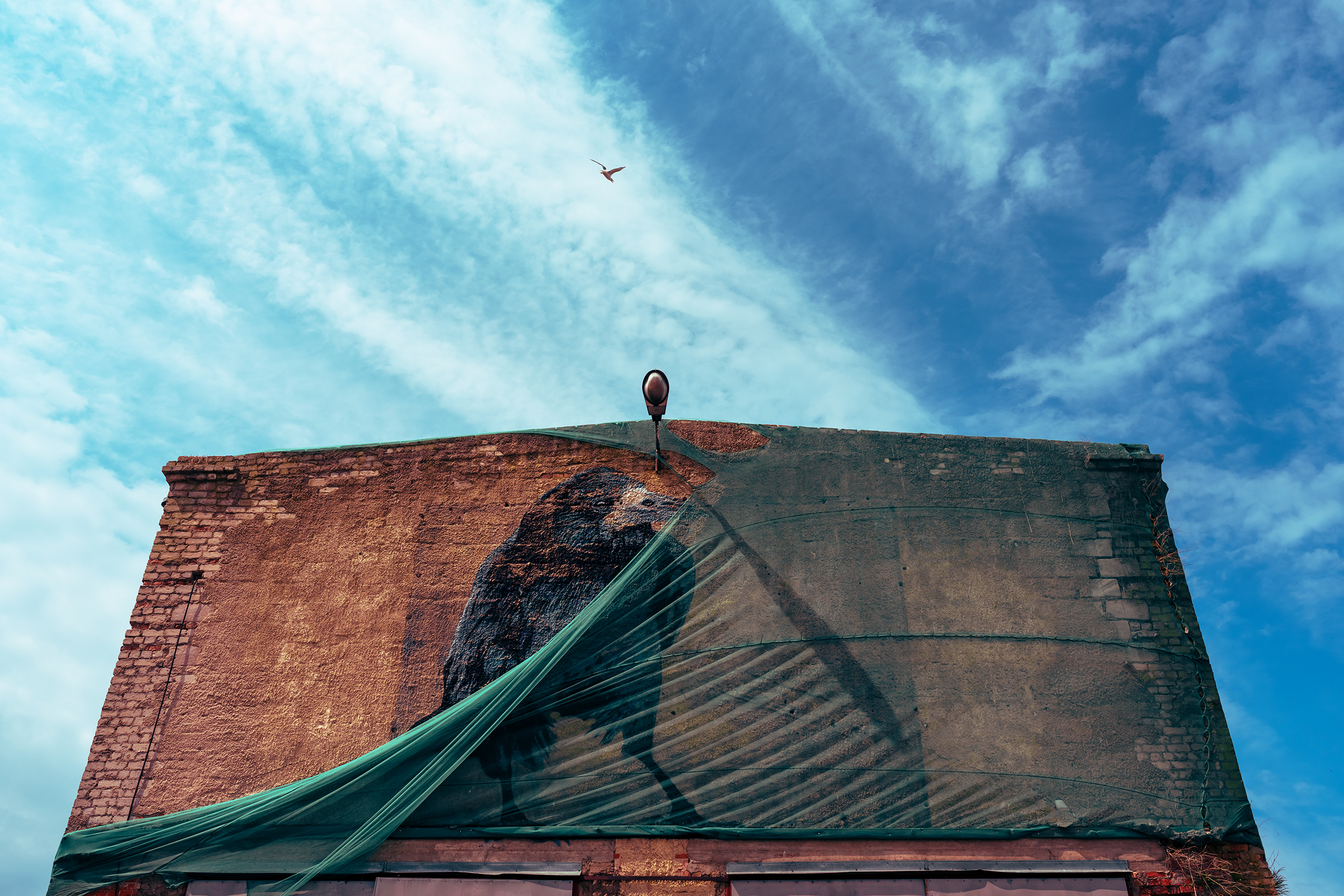
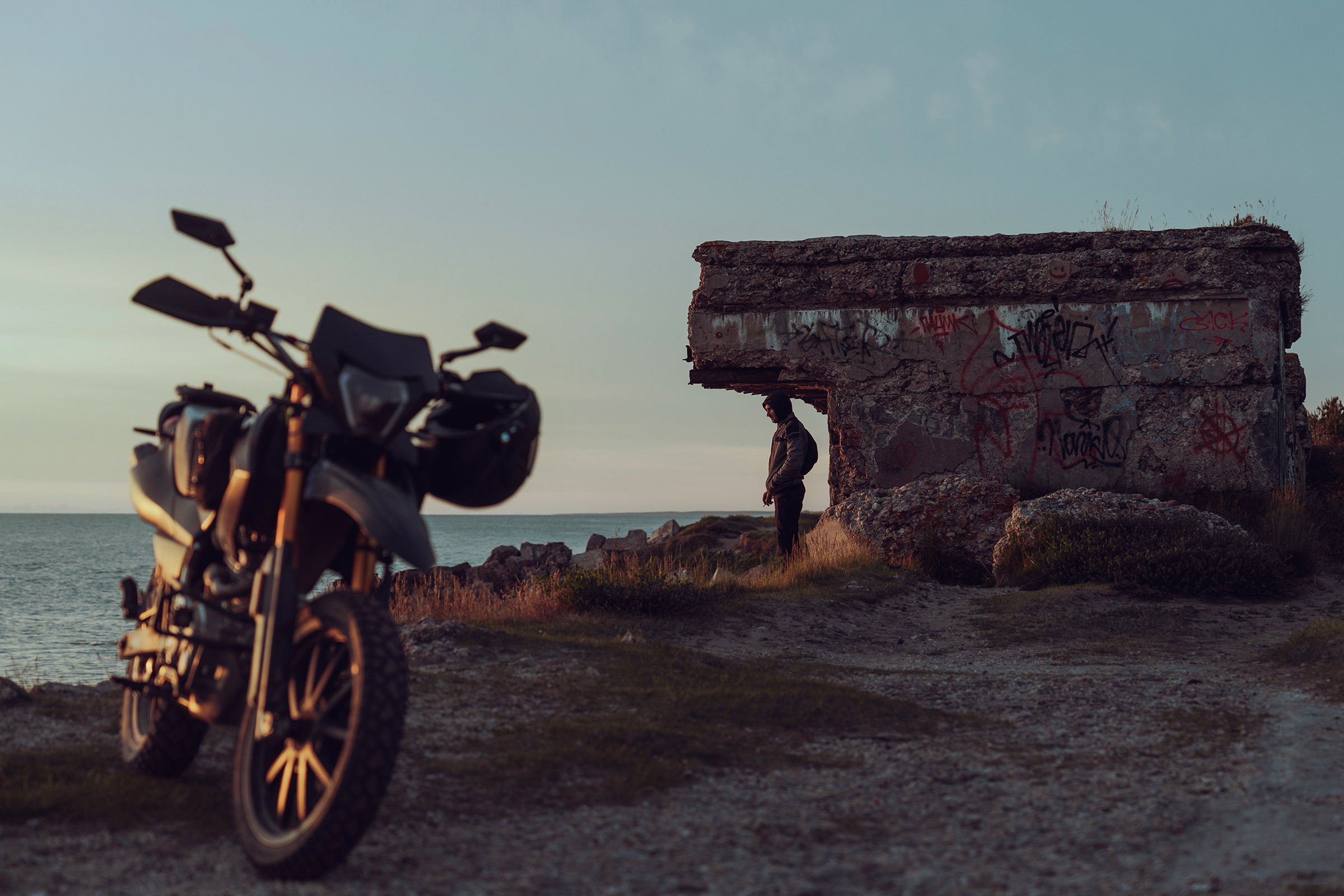
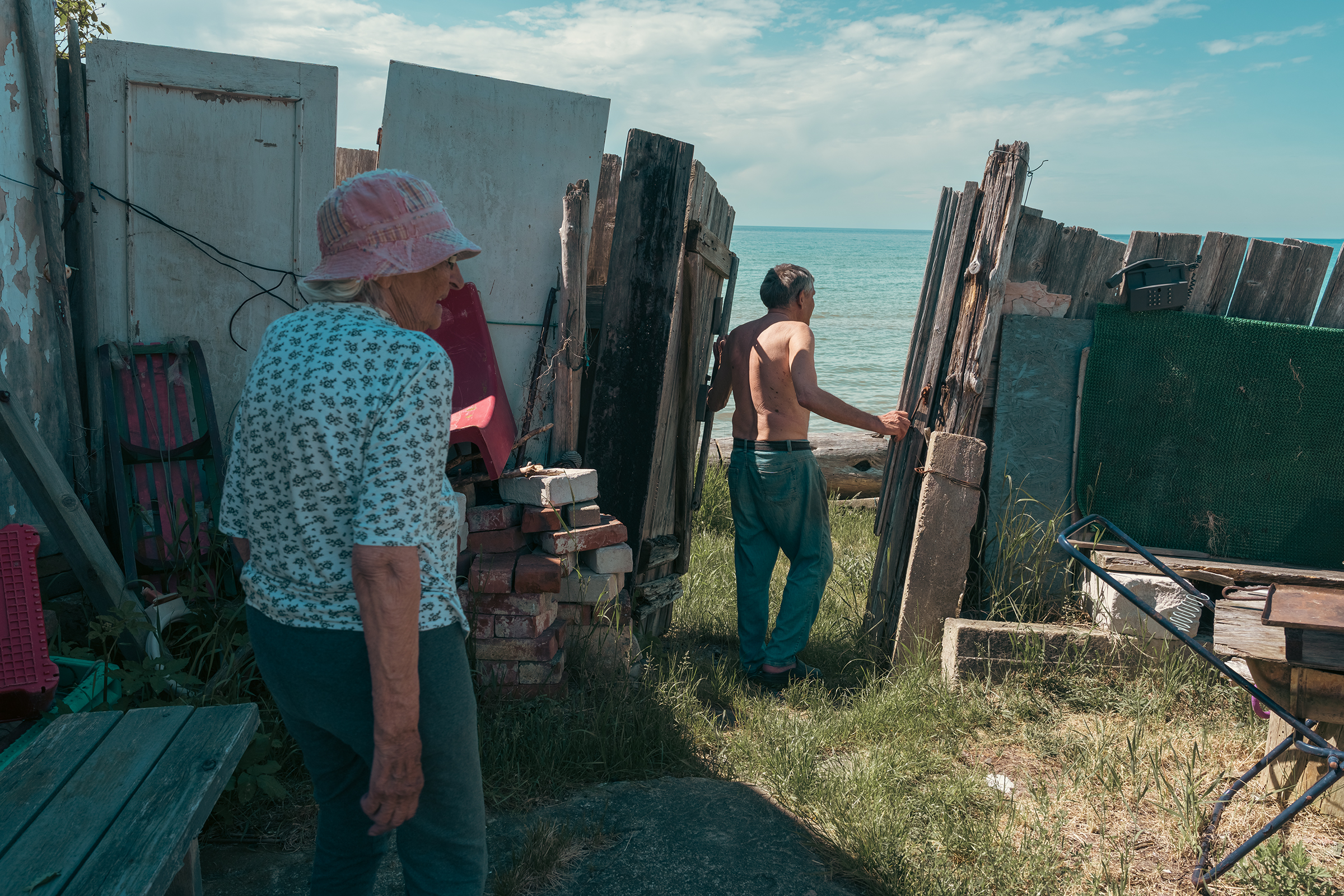
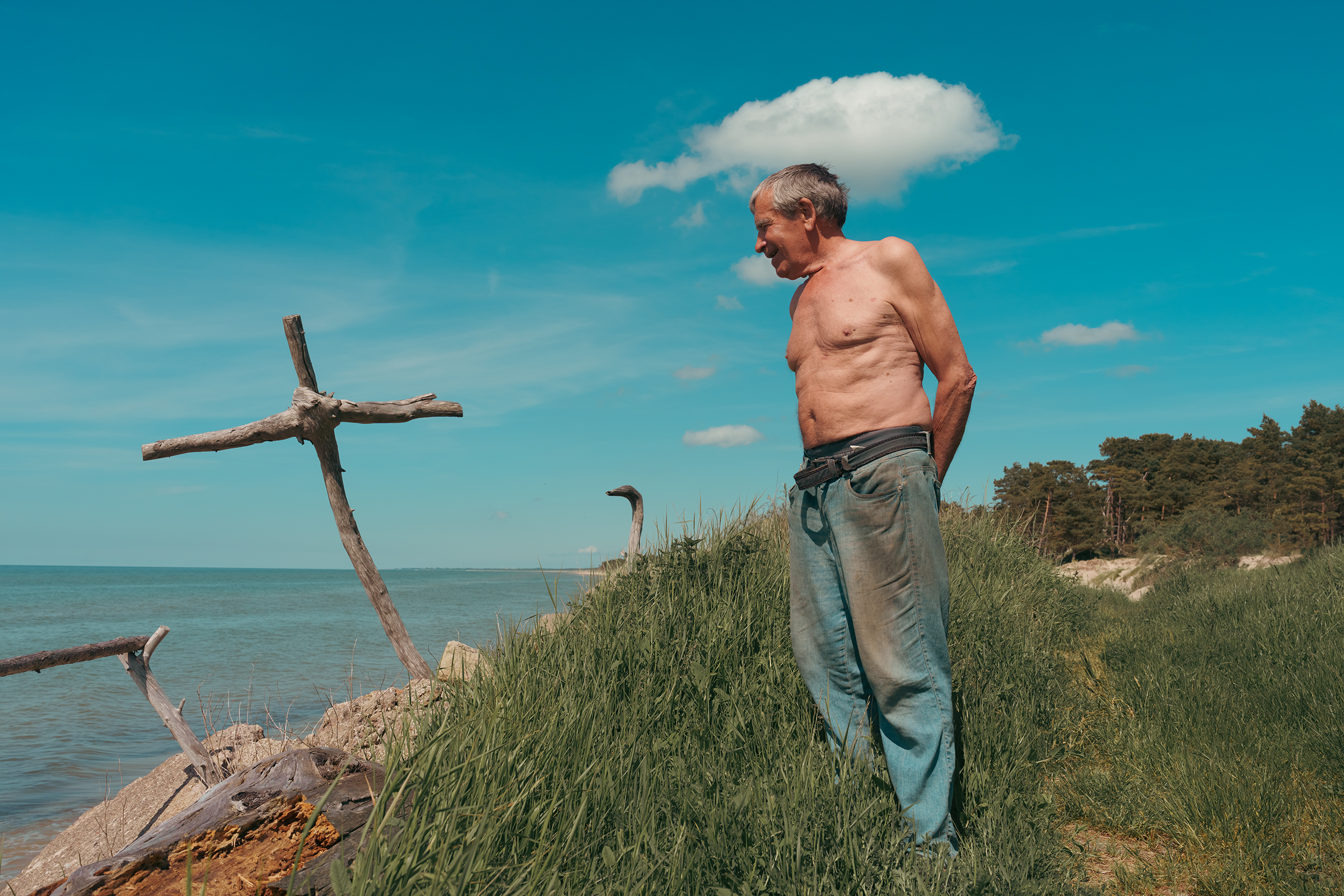
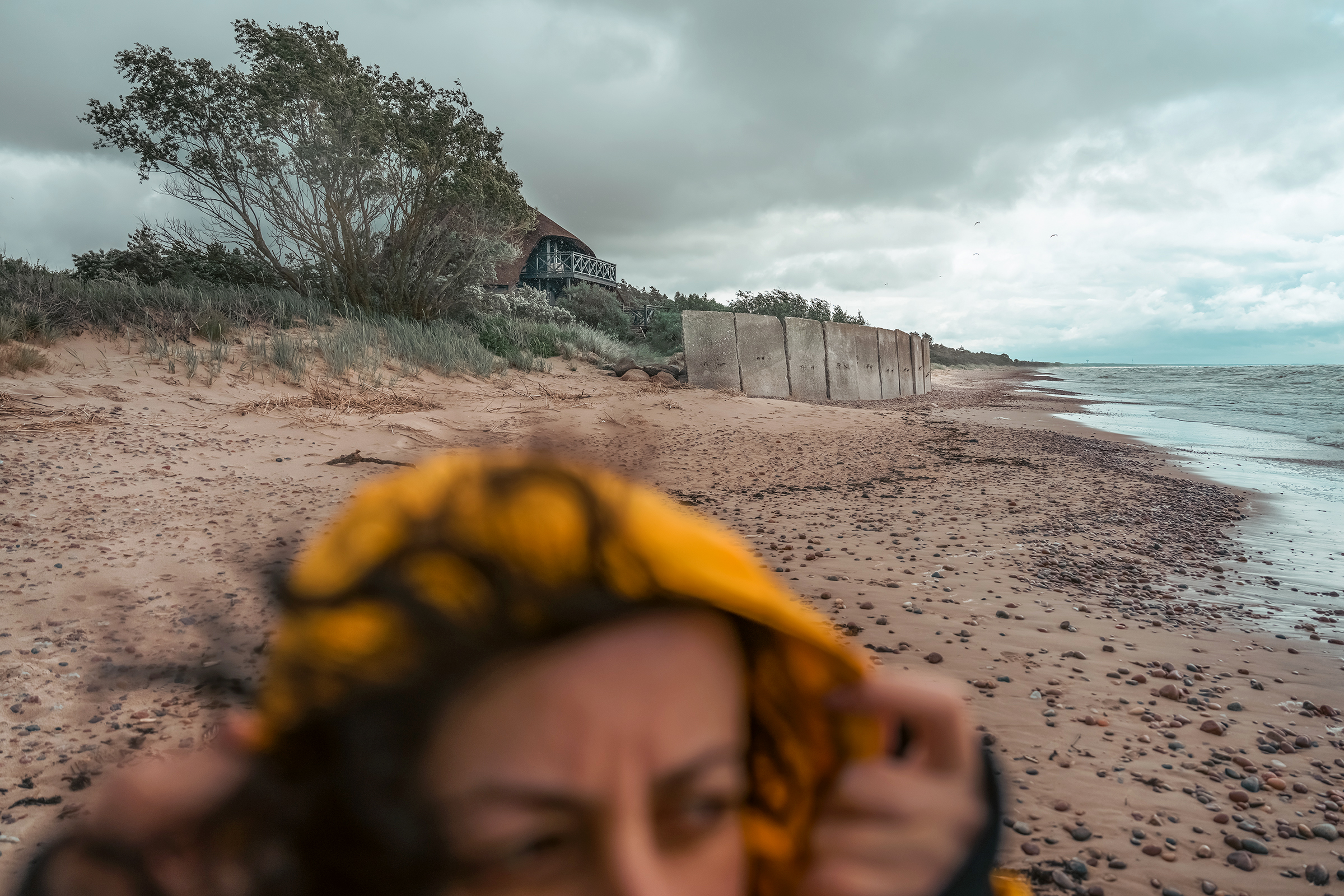
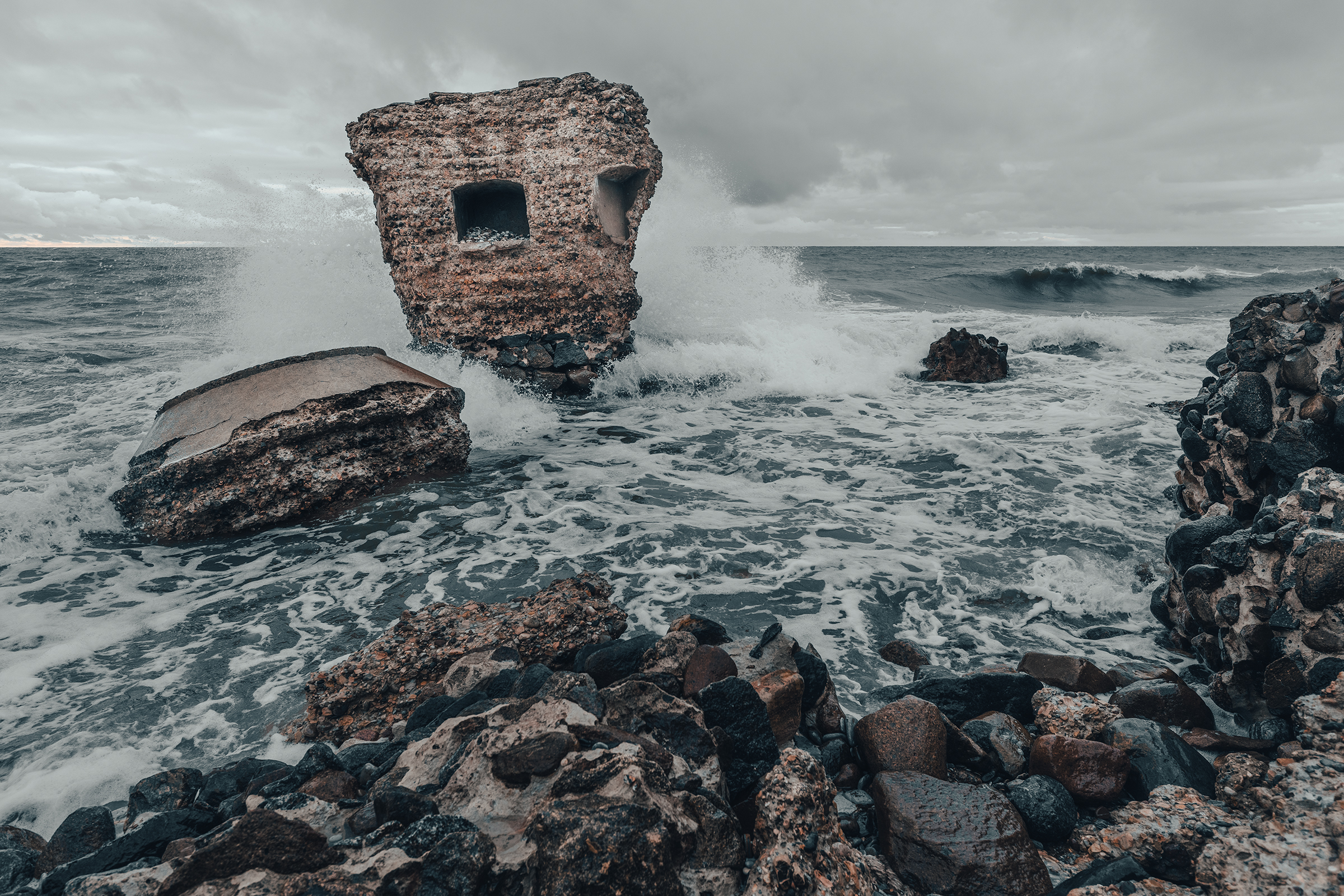
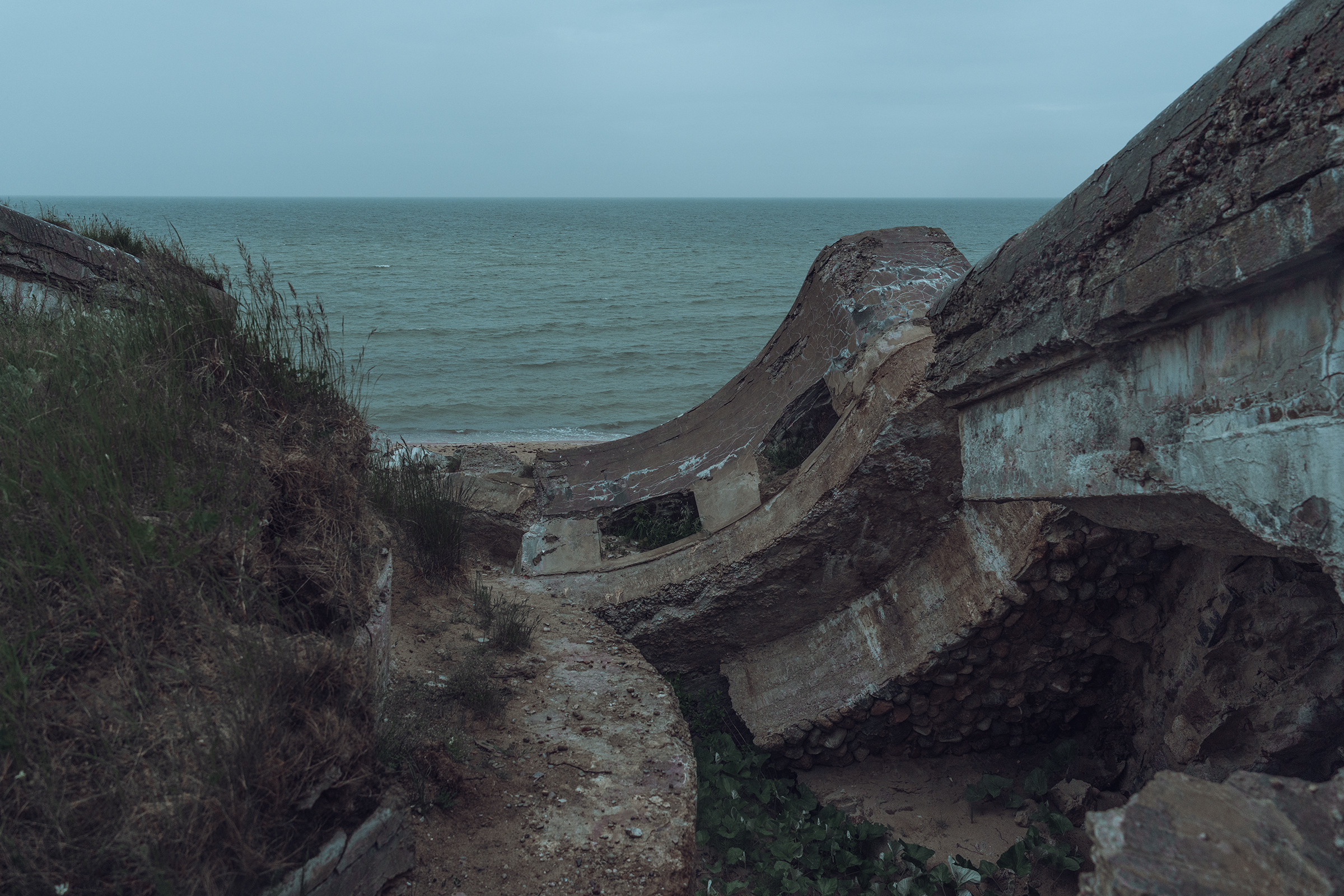
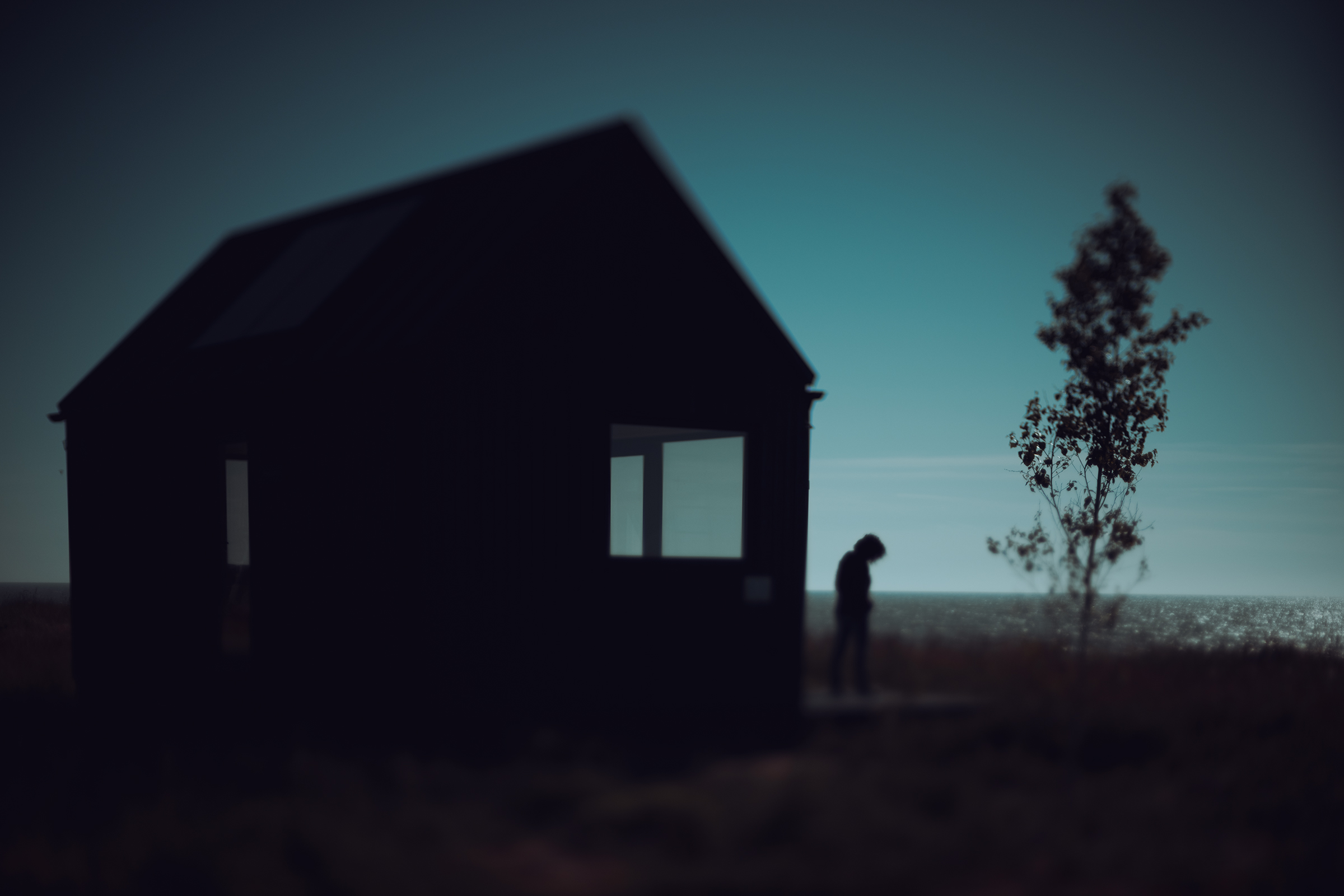
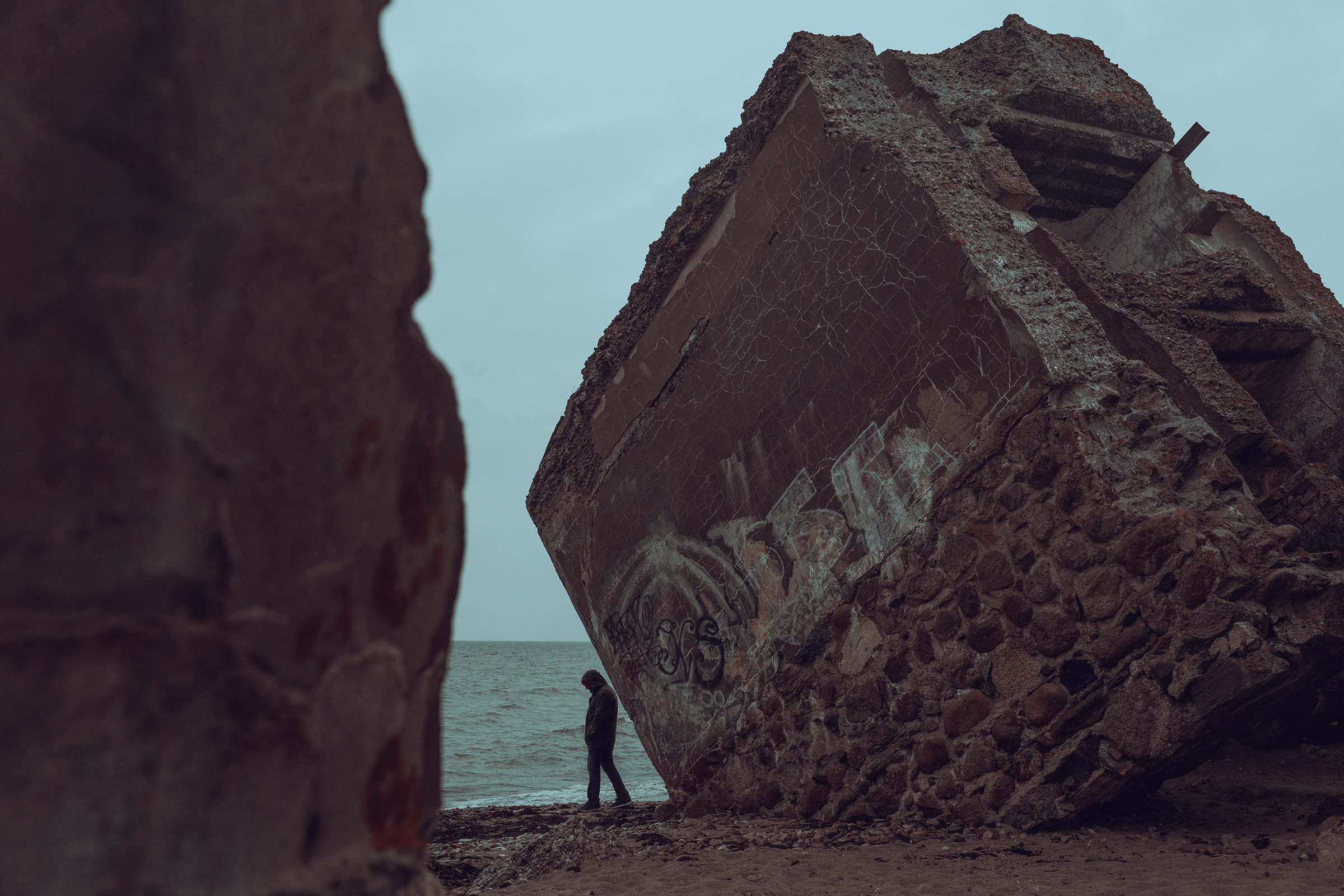
It soon became clear to me just how profoundly Latvia’s Baltic Sea coast is changing. Here, coastal erosion is not an abstract prediction for the future, but part of everyday life. Homes, historic buildings, border-guard installations, agricultural land, wastewater treatment plants, and tourist infrastructure are increasingly at risk – or have already been lost.
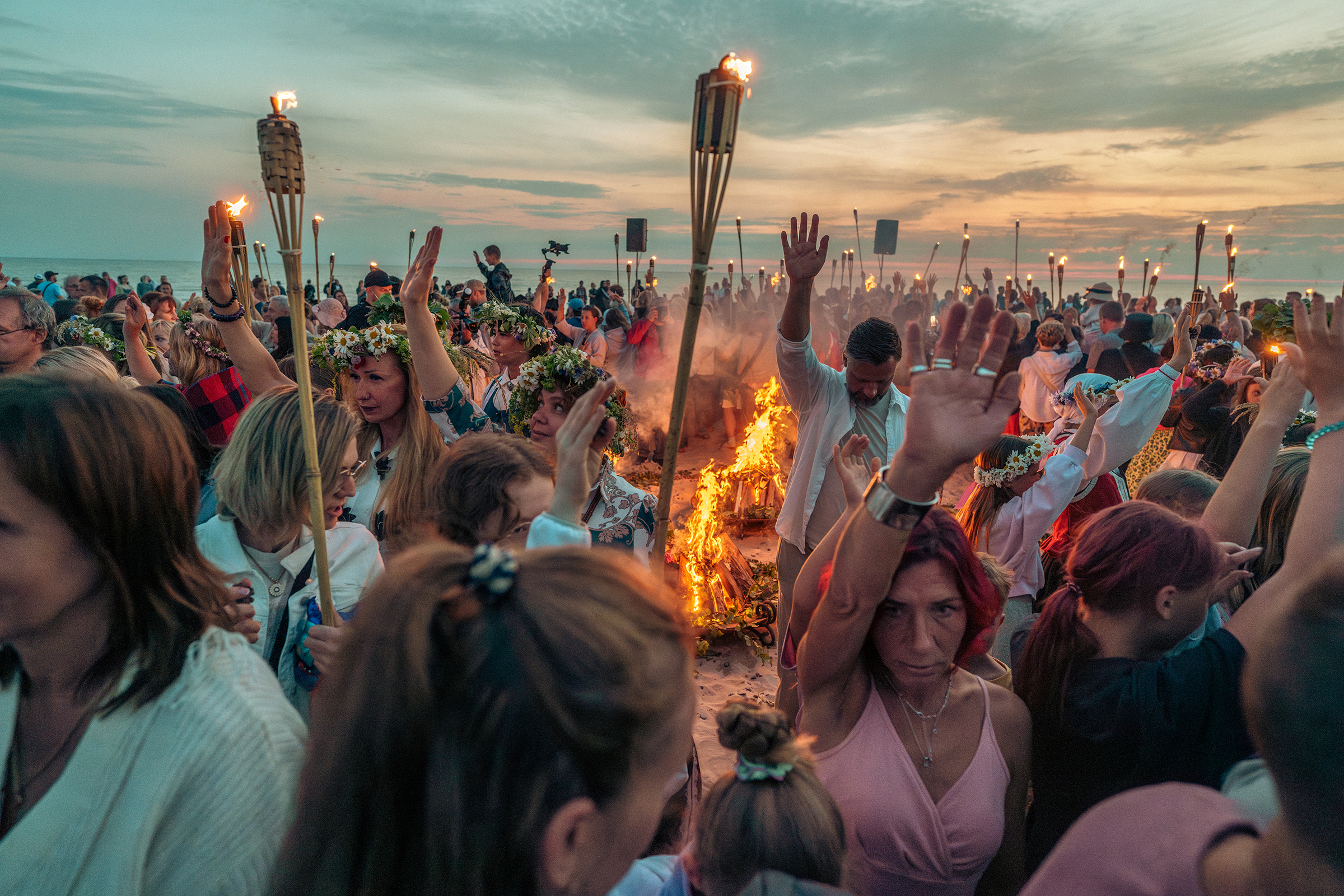
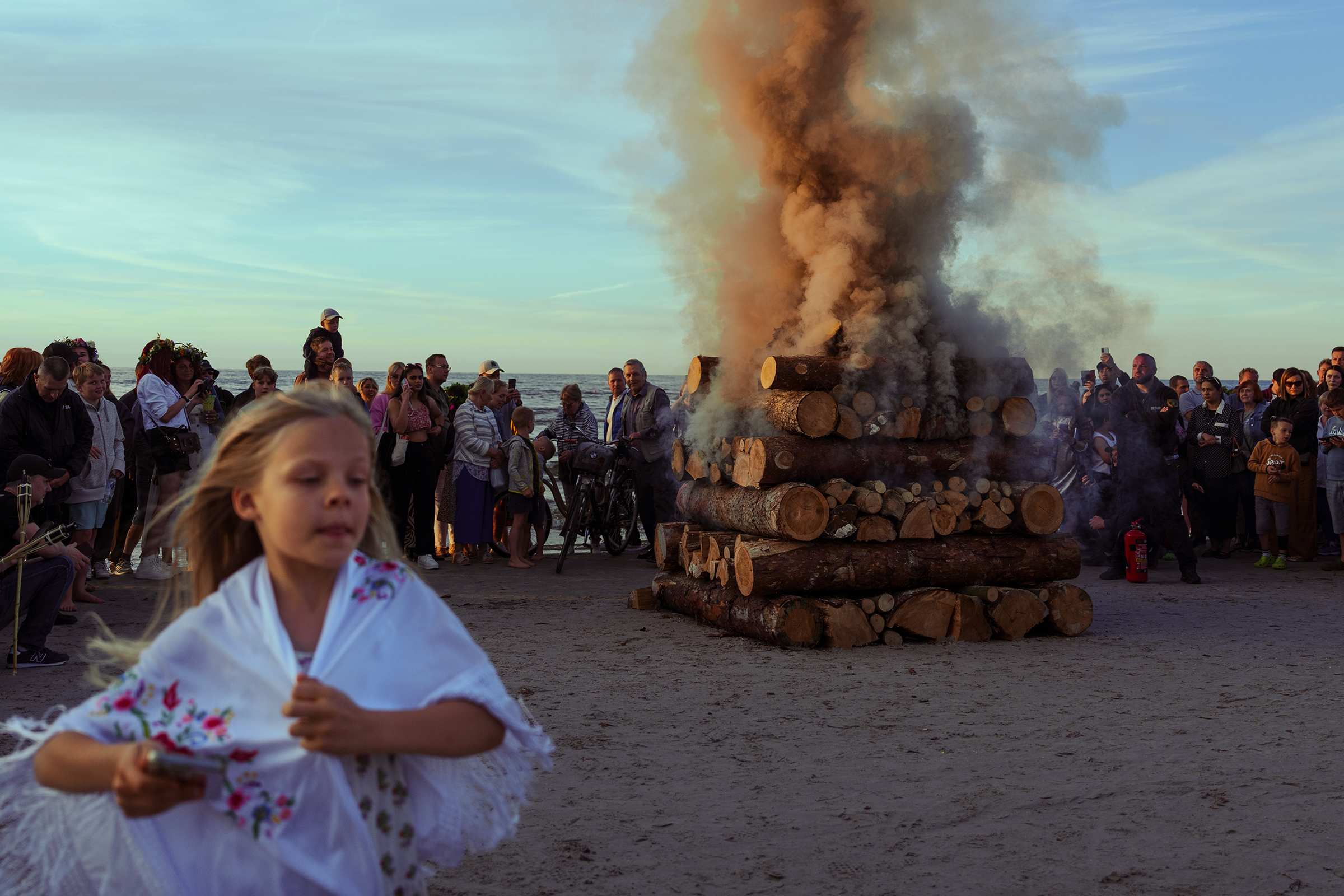
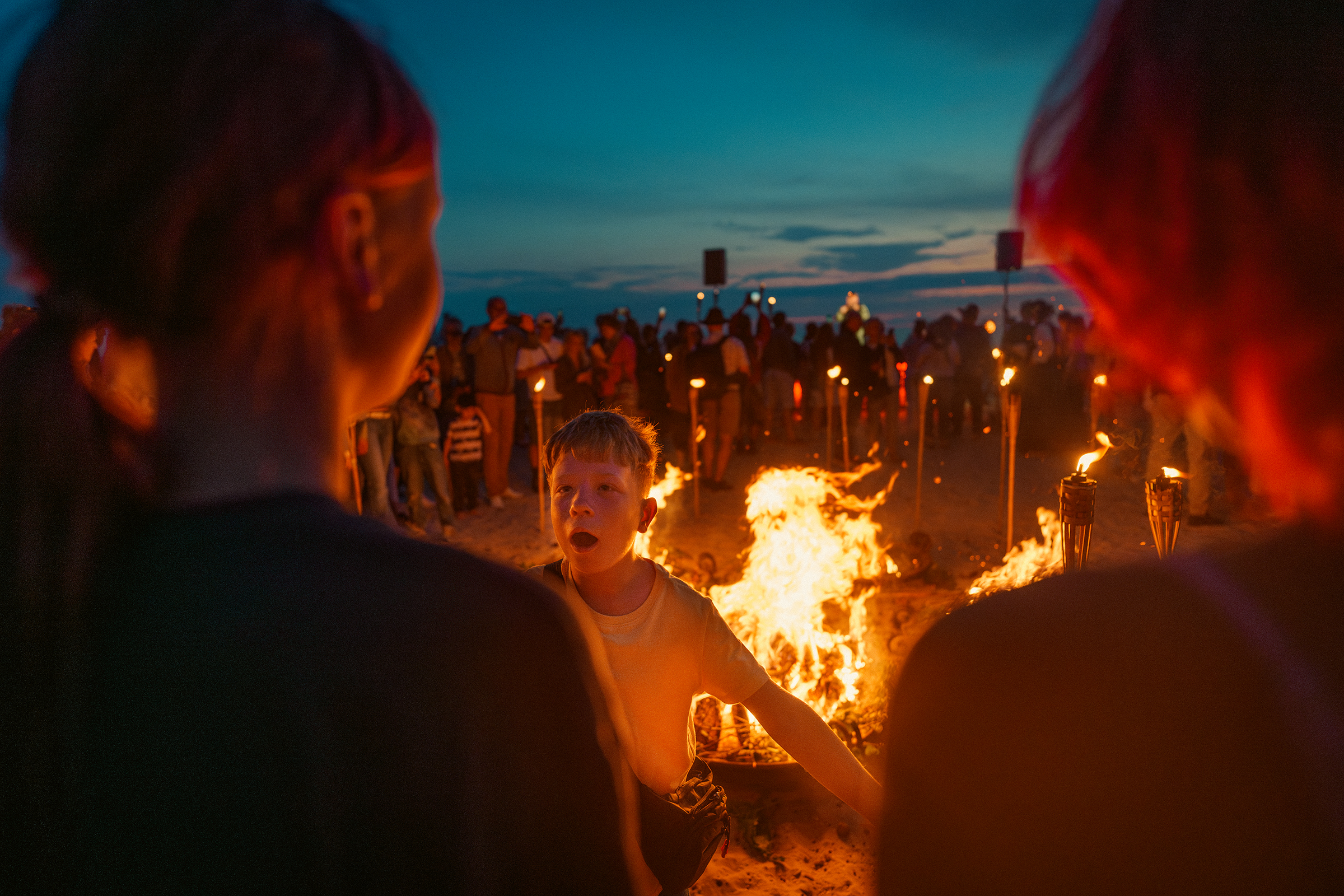
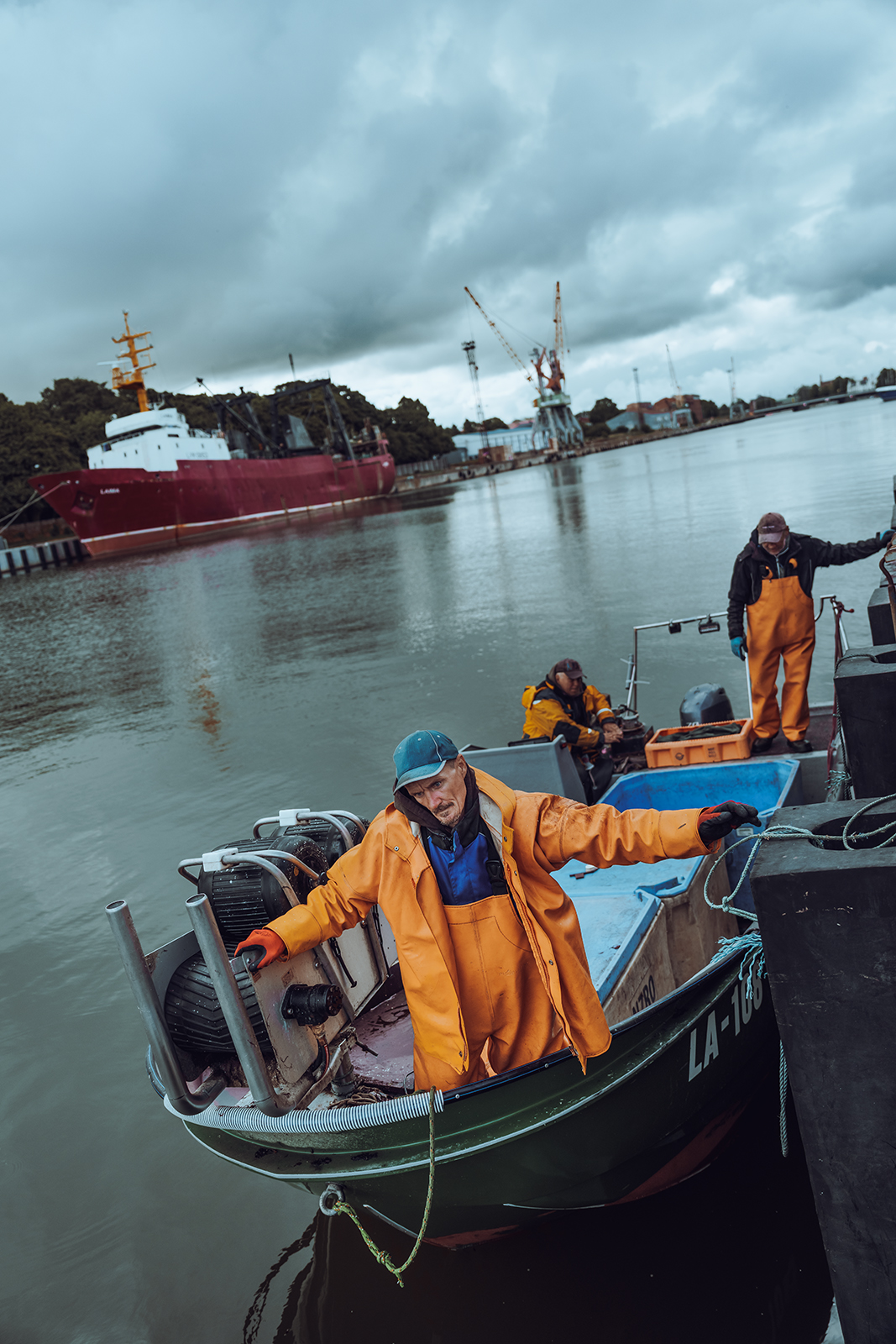
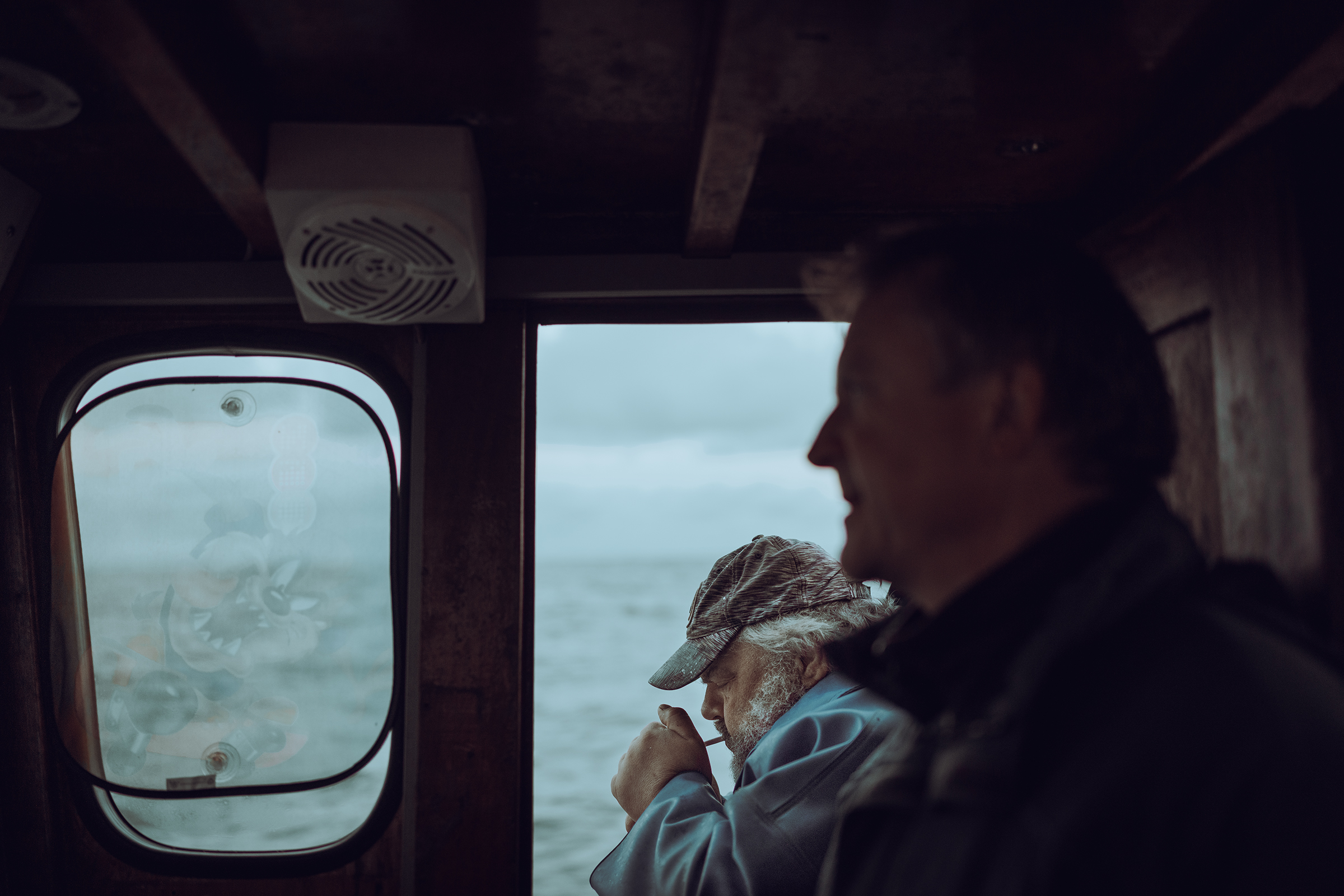
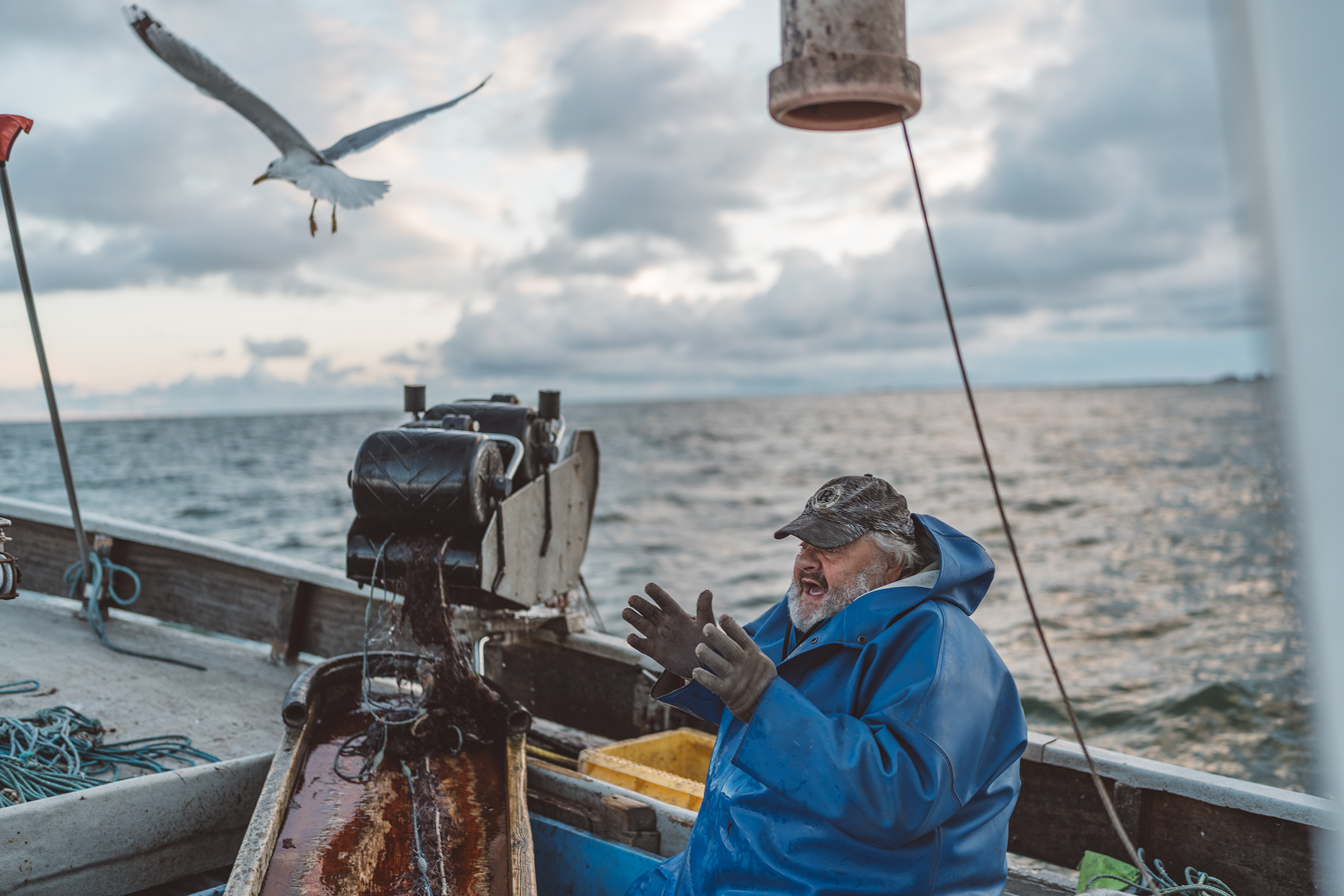
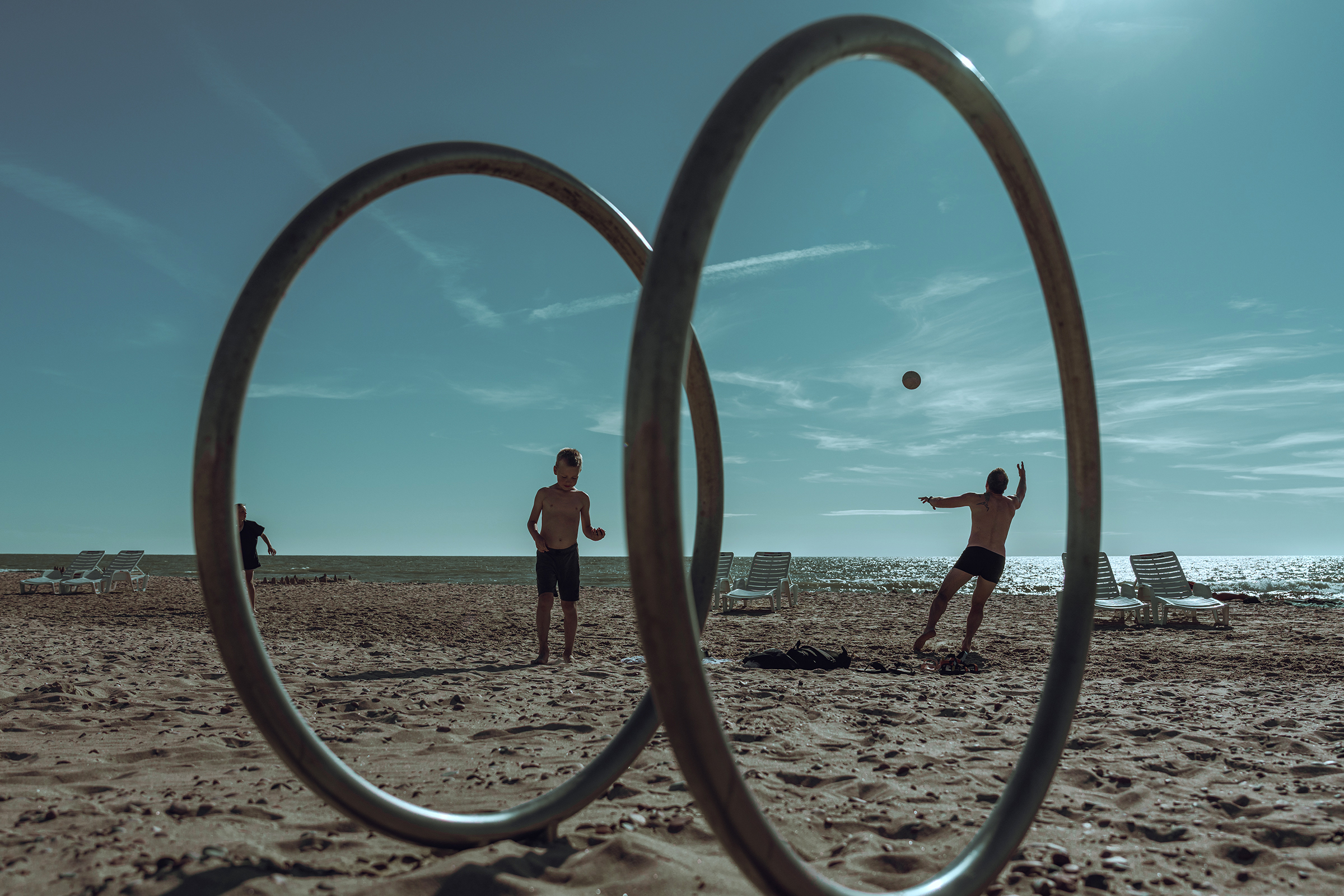
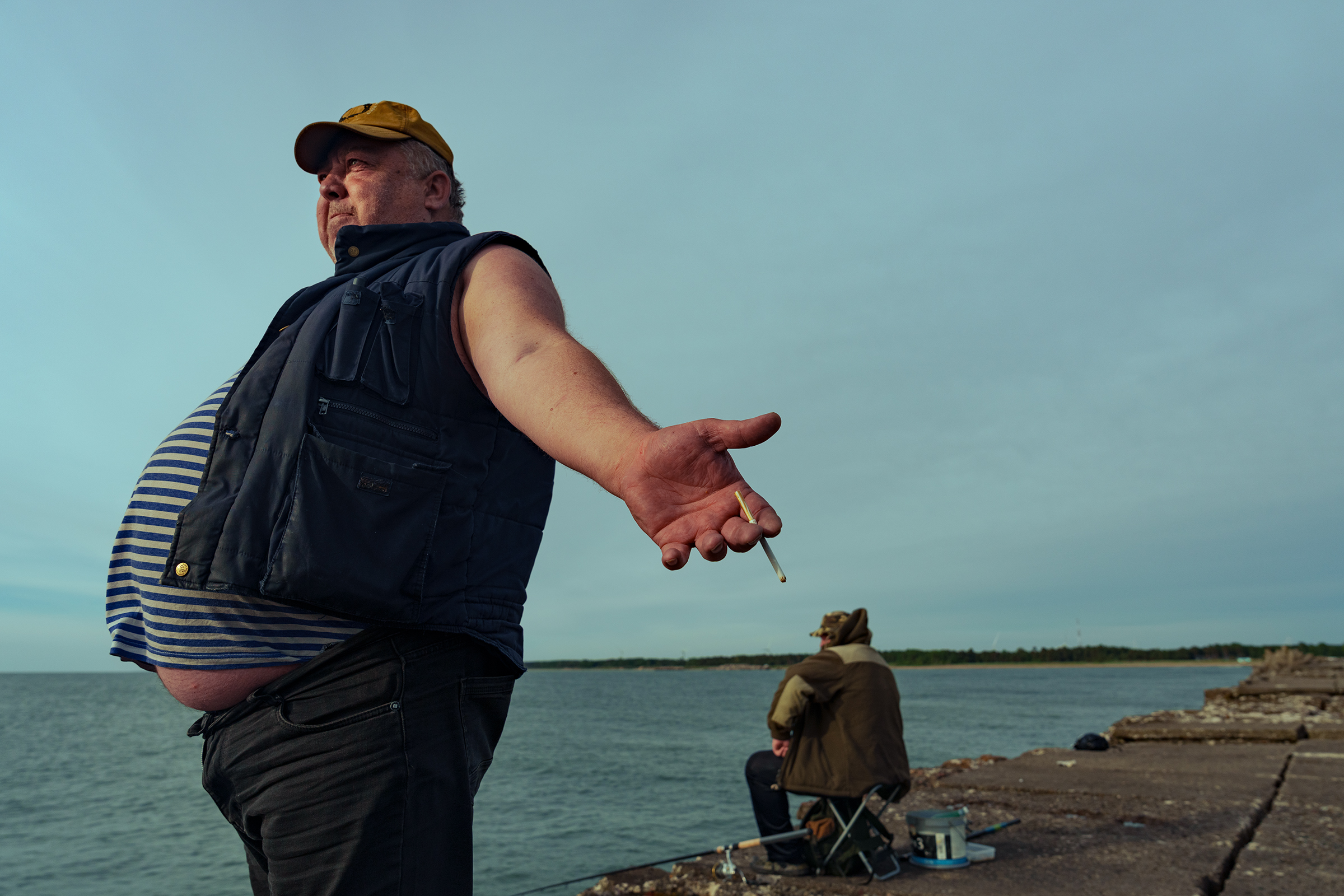
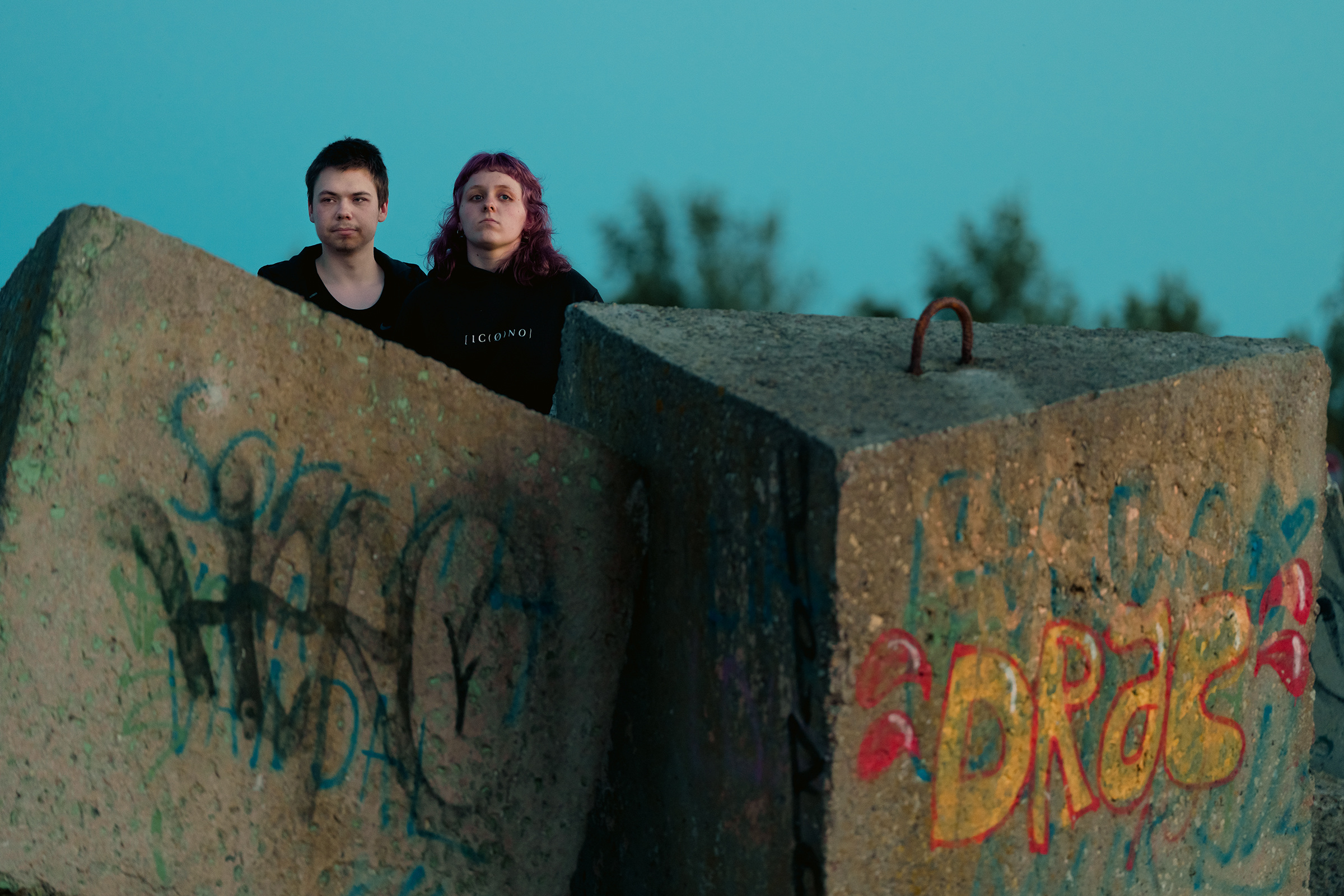
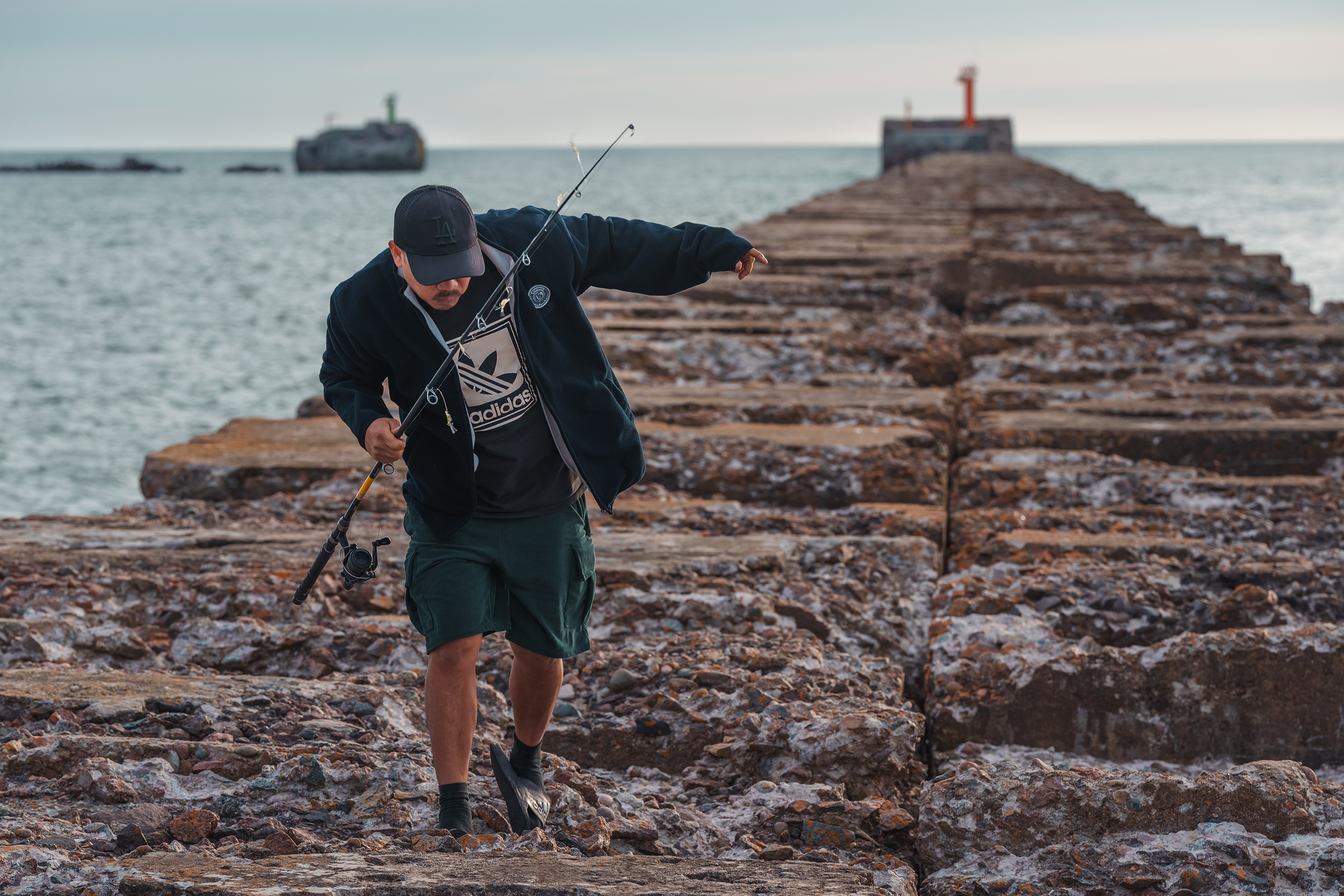
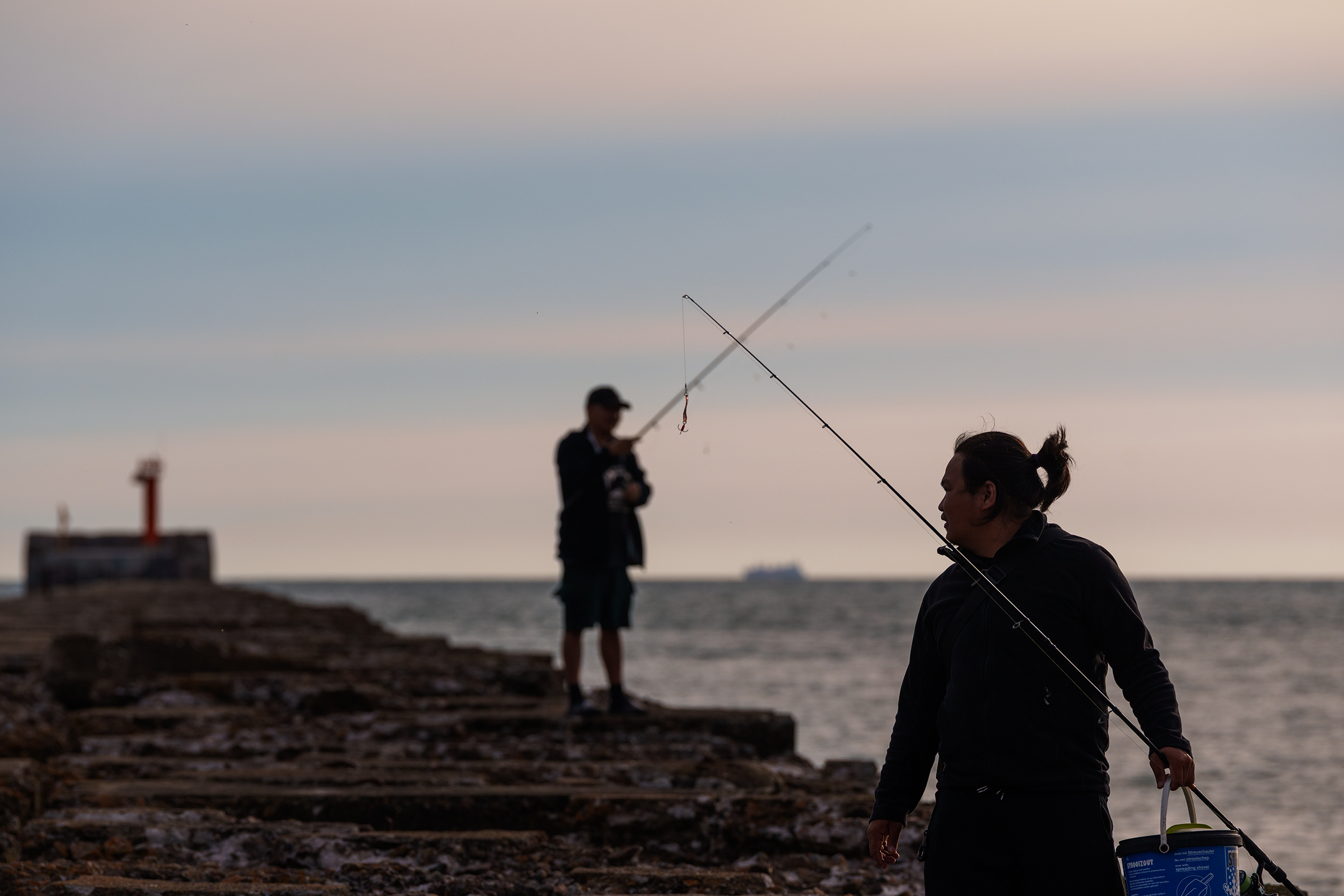
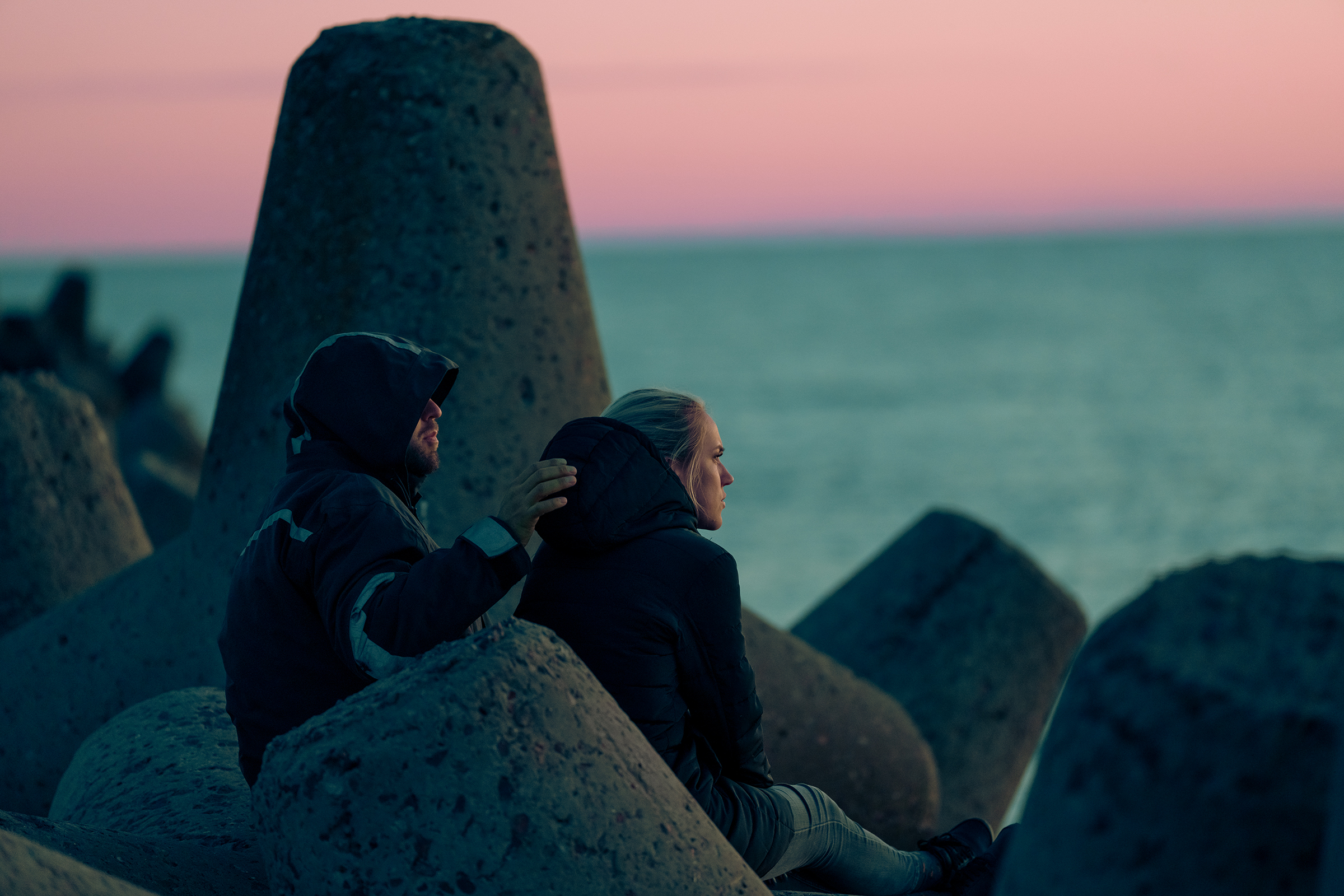
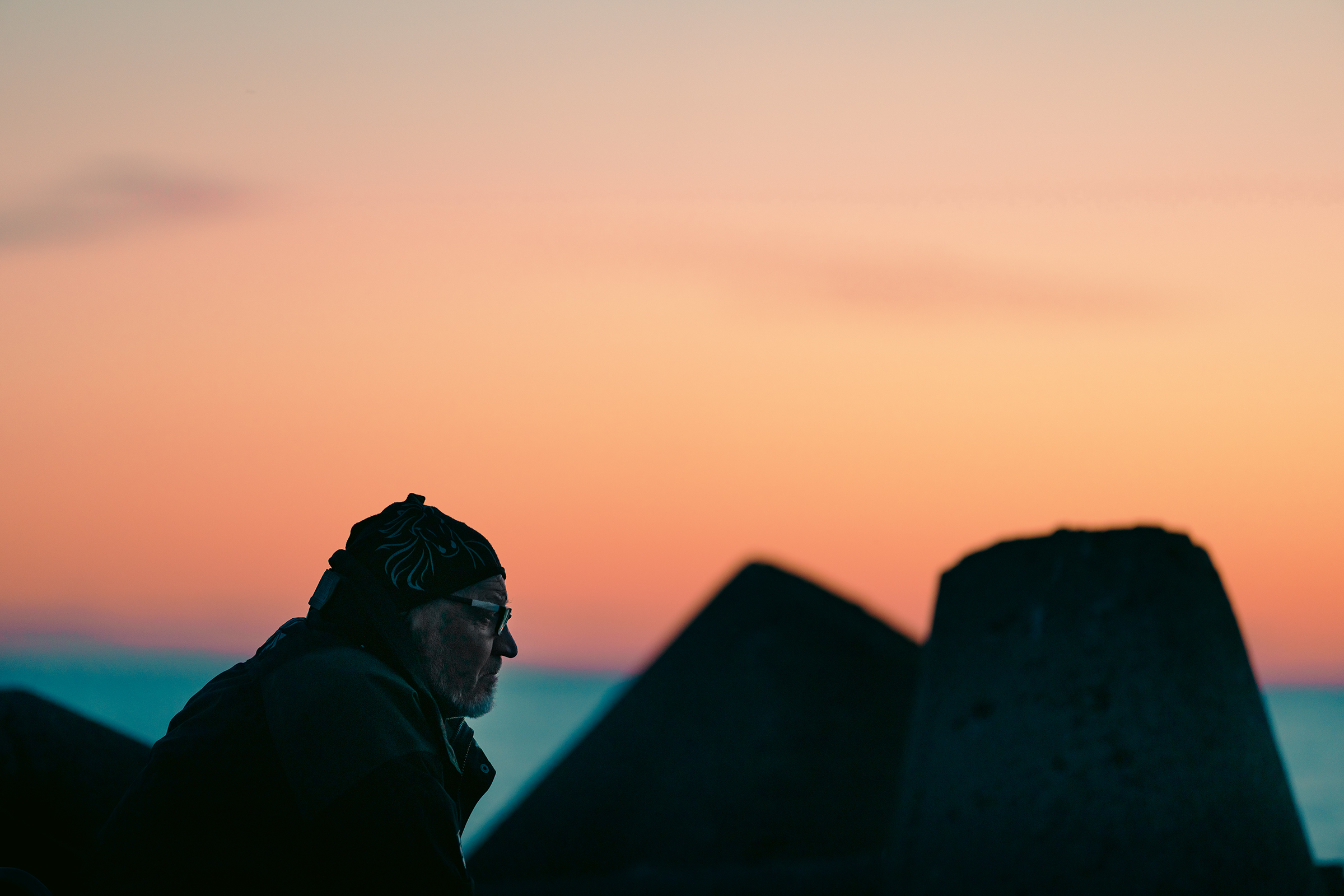
And the people? They still celebrate the summer solstice right on the coast. They continue to gather amber with passion and to fish – even though the sea no longer provides what it did in my childhood. Water pollution and the newly built breakwaters intended to protect the coast from erosion are making coastal fishing increasingly difficult. With concrete slabs, tetrapods, and rubble, people persistently try to protect their homes and livelihoods.
And Courland’s coast still smells of pine trees, seaweed, and salt.
This photographic project was supported by the Stiftung Kulturwerk of VG Bild-Kunst.